
Boost Energy Efficiency with an Insulated Garage Door
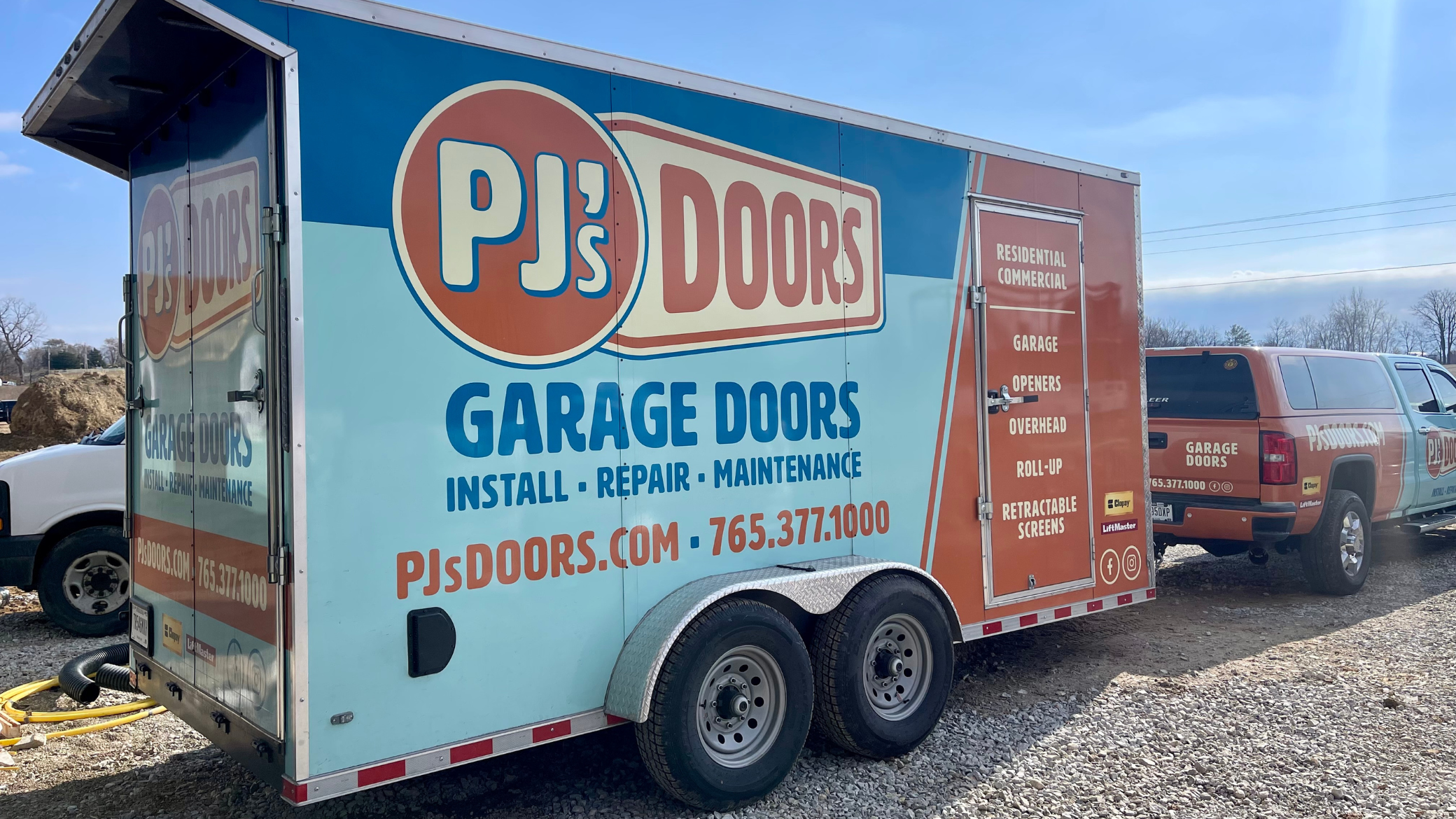
Choosing the right garage door is crucial for homeowners, especially when considering energy efficiency and installation processes. Insulated garage doors offer significant advantages over their non-insulated counterparts, particularly in terms of energy savings and climate control. This article will delve into the differences between insulated and non-insulated garage doors, focusing on their energy efficiency benefits, installation insights, and cost considerations. Homeowners often face challenges with energy loss and fluctuating temperatures, making the choice of garage door even more critical. By understanding the benefits of insulated doors, readers can make informed decisions that enhance their home's energy efficiency and comfort. We will explore key differences, insulation types, materials used, and the specific advantages of insulated garage doors in Indiana and Ohio climates. For a comprehensive overview of available services, consider exploring garage door services.
Comparison of Insulated vs. Non-Insulated Garage Doors
Insulated and non-insulated garage doors serve the same primary function of providing access to a garage, but they differ significantly in their construction and performance. Insulated garage doors are designed with an insulation layer that helps maintain stable temperatures inside the garage, while non-insulated doors lack this feature, leading to greater temperature fluctuations. This difference in construction directly impacts energy efficiency, as insulated doors can reduce heating and cooling costs by minimizing heat transfer. Additionally, insulated doors often provide better soundproofing and durability, making them a more attractive option for homeowners looking to enhance their living environment.
Energy Efficiency Benefits:
The energy efficiency of insulated garage doors is one of their most compelling advantages. These doors can lead to energy savings of 10% to 20% compared to non-insulated options. The insulation layer in these doors significantly reduces heat loss during winter and keeps the garage cooler in summer, which is particularly beneficial in regions like Indiana and Ohio, where temperature extremes are common. Insulated doors typically have an R-value of 12 or more, indicating their superior thermal resistance, while non-insulated doors usually have an R-value around 2. This substantial difference means that insulated doors not only help in reducing energy bills but also contribute to a more comfortable living space.
Installation Insights:
Installing insulated garage doors can be more complex than their non-insulated counterparts due to their additional weight and the need for precise fitting to ensure optimal performance. Professional installation is often recommended to guarantee that the door is properly sealed and functions efficiently. The installation timeframe for insulated doors may vary, but it generally takes longer than non-insulated doors due to the additional considerations involved. Homeowners should consult with experienced professionals to understand the specific requirements and ensure a successful installation.
Cost Considerations:
When evaluating the cost of garage doors, insulated options typically range from $800 to $2,000, depending on the materials and features selected. While non-insulated doors are usually less expensive upfront, the long-term savings associated with energy efficiency can make insulated doors a more cost-effective choice over time. Homeowners should consider both the initial investment and the potential for reduced energy bills when making their decision. Choosing a reputable provider like PJ's Doors can also ensure quality installation and service, further enhancing the value of the investment.
What Are the Key Differences Between Insulated and Non-Insulated Garage Doors?
The primary differences between insulated and non-insulated garage doors lie in their construction, energy efficiency, and overall performance. Insulated doors feature an internal layer of insulation that significantly reduces heat transfer, while non-insulated doors do not have this feature, leading to greater energy loss. Additionally, insulated doors tend to be more durable and provide better sound insulation, making them a preferred choice for homeowners who prioritize comfort and energy savings.
How Do Insulation Types Affect Garage Door Performance?
The type of insulation used in garage doors can greatly influence their performance. Common insulation materials include polystyrene and polyurethane, each offering different levels of thermal resistance and durability. Polyurethane insulation typically provides a higher R-value compared to polystyrene, making it a more effective choice for energy efficiency. Understanding these differences can help homeowners select the best option for their specific needs and climate conditions.
What Materials Are Used in Insulated vs. Non-Insulated Doors?
Insulated garage doors are often constructed from materials such as steel or fiberglass, which are combined with insulation layers to enhance energy efficiency. Non-insulated doors, on the other hand, may be made from similar materials but lack the insulation component. The choice of materials not only affects the door's energy efficiency but also its durability and maintenance requirements.
How Do Insulated Garage Doors Improve Energy Efficiency in Indiana and Ohio Climates?
In climates like Indiana and Ohio, where temperature fluctuations are common, insulated garage doors provide significant benefits. They help maintain a stable temperature within the garage, reducing the strain on heating and cooling systems in the home. This stability can lead to lower energy bills and a more comfortable environment, particularly during extreme weather conditions. Homeowners in these regions can greatly benefit from the energy-saving potential of insulated doors.
What Is the Typical R-Value Range for Garage Doors and Its Impact?
The R-value of a garage door measures its thermal resistance, with higher values indicating better insulation. Insulated garage doors typically have R-values ranging from 12 to 20, while non-insulated doors usually have R-values around 2. This difference in thermal resistance can significantly impact energy efficiency, as higher R-values correlate with reduced heat transfer and lower energy costs.
How Much Energy Can Homeowners Save with Insulated Garage Doors?
Homeowners can expect to save between 10% to 20% on their energy bills by switching from non-insulated to insulated garage doors. The exact savings will depend on various factors, including the local climate, the size of the garage, and the efficiency of the home's heating and cooling systems. By investing in insulated doors, homeowners not only enhance their comfort but also contribute to long-term energy savings.
What Are the Cost and Installation Considerations for Insulated vs. Non-Insulated Garage Doors?
When considering the cost of insulated versus non-insulated garage doors, it's essential to factor in both the initial purchase price and the potential for long-term savings. Insulated doors generally cost between $800 and $2,000, while non-insulated options are typically less expensive. However, the energy savings associated with insulated doors can offset the higher initial investment over time. Additionally, installation complexity may vary, with insulated doors often requiring professional installation to ensure optimal performance. For further details, frequently asked questions can be found on PJ's Doors FAQs.
How Do Installation Processes Differ Between Door Types?
The installation process for insulated garage doors can be more involved than for non-insulated doors due to their weight and the need for precise fitting. Professional installers are recommended to ensure that the door is properly sealed and functions efficiently. Homeowners should be prepared for a longer installation timeframe when opting for insulated doors, as additional considerations must be taken into account.
What Is the Cost-Benefit Analysis for Energy-Efficient Garage Doors?
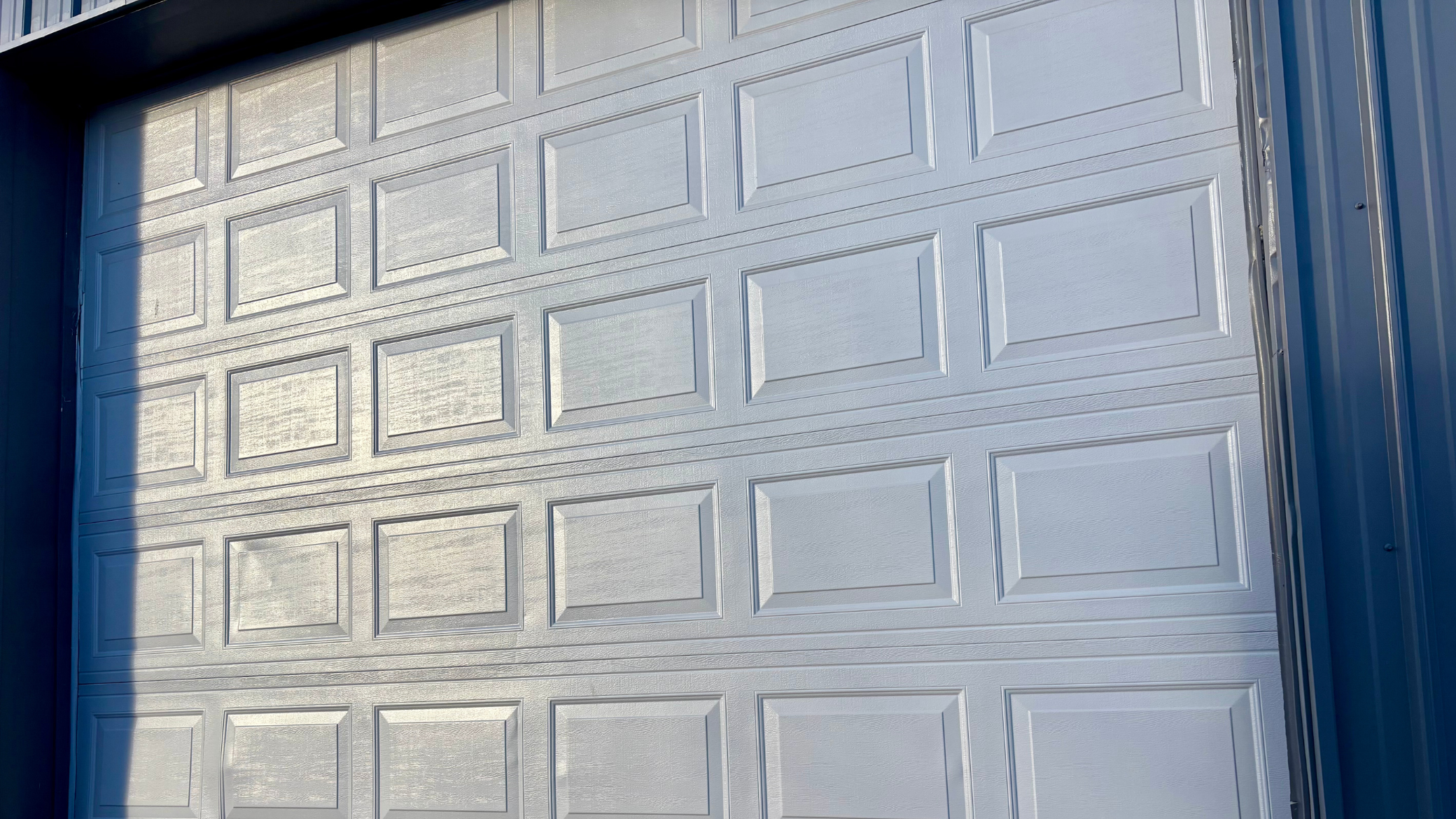
Conducting a cost-benefit analysis for energy-efficient garage doors involves comparing the initial costs with potential long-term savings. While insulated doors may have a higher upfront cost, the energy savings they provide can lead to a favorable return on investment over time. Homeowners should consider their specific energy needs and local climate conditions when making this decision.
How Does Maintenance and Longevity Compare Between Insulated and Non-Insulated Garage Doors?
Insulated garage doors generally require less maintenance than non-insulated options due to their durable construction and resistance to temperature fluctuations. They are less prone to warping and damage, leading to a longer lifespan. Homeowners can expect insulated doors to last longer and perform better over time, making them a worthwhile investment.
What Are Recommended Maintenance Practices for Insulated Doors?
Regular Inspections: Check for any signs of wear or damage, particularly around seals and hinges.
Lubrication: Apply lubricant to moving parts to ensure smooth operation and prevent rust.
Weather Seal Checks: Inspect weather seals for any gaps or deterioration to maintain energy efficiency.
These practices can help extend the life of insulated garage doors and enhance their energy-saving capabilities.
How Does Durability Affect Long-Term Energy Savings?
The durability of insulated garage doors plays a significant role in their long-term energy savings. High-quality materials and construction methods ensure that these doors can withstand temperature fluctuations and resist damage. This durability not only reduces the need for repairs but also maintains the door's energy efficiency over time, leading to continued savings on energy bills.
Why Choose PJ's Doors for Garage Door Installation and Energy Efficiency Solutions in Indiana and Ohio?
Choosing PJ's Doors for garage door installation ensures that homeowners receive expert guidance and high-quality products tailored to their specific needs. With a focus on energy efficiency, PJ's Doors provides a range of insulated garage door options that can significantly enhance home comfort and reduce energy costs. Their commitment to customer satisfaction and quality service makes them a trusted choice for homeowners in Indiana and Ohio.
What Local Expertise Does PJ's Doors Offer for Insulated Garage Doors?
PJ's Doors brings local expertise to garage door installation, understanding the unique climate challenges faced by homeowners in Indiana and Ohio. Their knowledgeable team can recommend the best insulated garage door options to maximize energy efficiency and comfort. By choosing a local provider, homeowners benefit from personalized service and support throughout the installation process.
How Do Customer Testimonials Reflect Service Quality and Energy Savings?
Customer testimonials for PJ's Doors highlight the positive experiences of homeowners who have chosen insulated garage doors. Many report significant energy savings and improved comfort levels in their homes. These testimonials reflect the quality of service provided by PJ's Doors and the effectiveness of their energy-efficient solutions.
What Frequently Asked Questions Address Insulated vs. Non-Insulated Garage Doors?
Homeowners often have questions regarding the benefits and differences between insulated and non-insulated garage doors. Common inquiries include:
What are the benefits of insulated garage doors? Insulated doors offer energy efficiency, noise reduction, and enhanced durability.
How much can I save on energy bills with insulated doors? Homeowners can save between 10% to 20% on energy costs.
Are insulated garage doors worth the additional cost? Yes, the long-term savings and benefits often outweigh the initial investment.
What Are the Common Benefits of Insulated Garage Doors?
Insulated garage doors provide several key benefits, including:
Energy Efficiency: Reduced heat transfer leads to lower energy bills.
Noise Reduction: Insulation helps minimize sound transmission.
Durability: Insulated doors are less prone to damage and warping.
These benefits make insulated garage doors a smart choice for homeowners looking to enhance their living environment.
Are Insulated Garage Doors Worth the Additional Cost?
Investing in insulated garage doors is often justified by the long-term energy savings and enhanced comfort they provide. While the initial cost may be higher, the benefits of reduced energy bills and improved durability make insulated doors a worthwhile investment for many homeowners. By considering both the upfront costs and potential savings, homeowners can make informed decisions that align with their energy efficiency goals. For more insights, explore our blog.
Take the Next Step Toward Energy Efficiency
Enhance your home's comfort and reduce energy costs by choosing an insulated garage door from PJ's Doors. With expert installation and a variety of high-quality options tailored to Indiana and Ohio climates, now is the perfect time to upgrade. Experience the benefits of improved energy efficiency, durability, and noise reduction today. Contact PJ's Doors Now.
