
Durable Chain Drive Garage Door Openers Richmond, IN
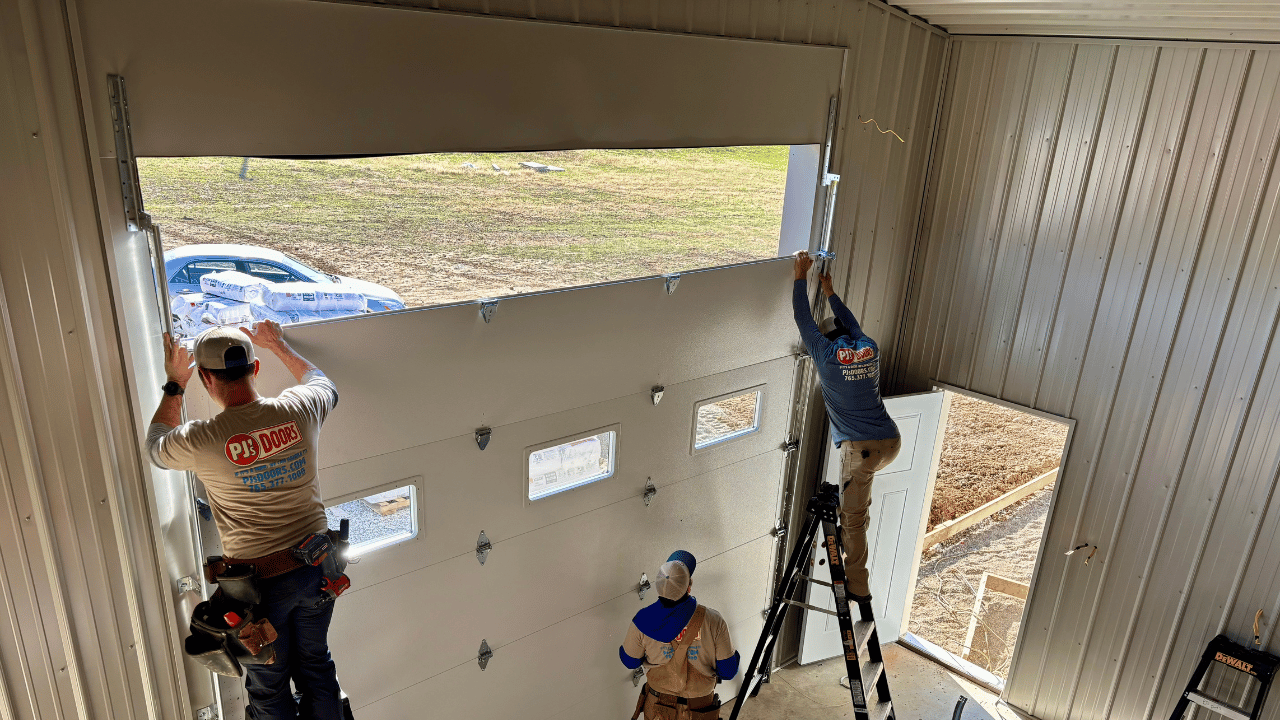
Chain‑drive garage door openers use a metal chain to transfer motor torque to the trolley, creating a sturdy, high‑capacity system made for heavy or oversized doors. This guide walks Richmond, IN, homeowners and business owners through why chain drives last, how professional installation protects that lifespan, and which maintenance steps prevent early wear. You’ll find clear component explanations, an installer’s checklist, common repair signs, side‑by‑side comparisons with belt and screw drives, smart‑feature options like Wi‑Fi and battery backup, and practical next steps for local service. PJ's Doors, LLC is a local team ready to handle installations and maintenance with fast response, honest pricing, and stocked trucks for Richmond calls. Read on for component breakdowns, step‑by‑step installation practices, maintenance checklists, comparison tables, and how to request a free estimate or schedule service.
TL;DR
Sturdy & High-Capacity: Chain drives are built for heavy and oversized garage doors.
Long-Lasting: Learn why chain drives are durable and how to extend their lifespan.
Professional Care: Proper installation and routine maintenance are crucial for longevity.
Comprehensive Guide: Includes component details, installation tips, repair signs, comparisons, and smart features.
Local Service: PJ's Doors, LLC offers reliable installation and maintenance in Richmond, IN.
Why Chain‑Drive Garage Door Openers Hold Up and Why They Suit Richmond, IN
Chain‑drive garage door openers are durable because they combine a strong steel chain, ample motor torque, and rugged sprockets/gearing to move heavy doors reliably over many cycles. In a climate with temperature swings and dusty conditions, chain drives tolerate higher tension and shock loads better than some alternatives a practical fit for detached garages, commercial bays, and insulated residential doors around Richmond, IN. Below we explain the engineering reasons for long life and offer a compact component table for quick comparison so you can see why chain drives match local needs where heavier doors or frequent use are common.
Key durability factors include material quality, motor duty cycle, how the load is distributed, and how easily parts can be serviced. Industry practice shows that higher‑tensile chain materials and correctly sized motors lower fatigue on gears and bearings. Chain drives spread load across sprockets and rails, reducing single‑point wear and extending service life. These mechanical traits lead into a closer look at each component and what maintenance they need.
Each component plays a role in longevity: the chain carries the load, sprockets translate torque, the motor supplies power, and the rail keeps everything aligned.
Viewed together, durability comes from strong materials, proper motor sizing, and solid alignment. Matching these attributes to door weight and how often the door is used lowers fatigue and extends operating life. Next we examine each component in more detail.
How Chain‑Drive Components Work Together to Increase Lifespan
The drive chain is the main load‑bearing part of a chain‑drive opener; its tensile strength and metallurgy set the baseline capacity. Chains made from hardened steel resist elongation and fatigue, which helps keep travel consistent and reduces how often adjustments are needed. Sprockets and gears pass torque smoothly. When they match the chain pitch and are free of burrs or heavy wear, they avoid stress points that lead to premature failure. Regular lubrication keeps metal‑on‑metal friction down, cutting heat and wear.
Motor choice matters too: a motor with the right torque rating and duty cycle won’t be overworked lifting heavy doors, which preserves bearings and internal gears. Rails and trolley assemblies provide alignment; a stiff rail prevents binding that otherwise creates uneven chain loading and premature wear. Regular inspections catch early deterioration so homeowners can schedule repairs before a failure becomes costly or unsafe. That leads into why chain drives are often the best choice for heavy doors.
Why Chain Drives Are a Strong Choice for Heavy and Oversized Doors
Chain drives are ideal for heavy or oversized doors because their design emphasizes torque and durability over quiet operation. The chain‑and‑sprocket setup gives a direct mechanical path from motor torque to linear motion, which handles larger masses more reliably than some other systems. Compared with more delicate drives, chain systems tolerate higher cycle counts and let technicians service high‑stress parts without complex disassembly.
For detached garages, commercial bays, and insulated residential doors that add significant weight, a chain drive’s robustness lowers the risk of gear stripping or motor overload. Chains, sprockets, and trolleys are straightforward to replace or service, making chain drives a practical, repair‑friendly option for heavy‑duty use. Proper installation and setup are the next steps to getting the most out of that built‑in durability.
How Professional Installation Boosts Chain‑Drive Durability in Richmond, IN
Correct installation cuts wear by ensuring alignment, proper chain tension, secure mounting, and functioning safety systems, all things that directly affect part life and reliable operation. Professional installers inspect door balance, spring health, and track condition before fitting an opener to spot anything that could overload the unit. A technician sets chain tension to the manufacturer’s spec, anchors the rail to solid framing, and programs force and travel limits to match the door. Those steps reduce stress cycles on the motor and gears and lower the risk of early failure.
Hiring an experienced installer also guarantees safety sensors and emergency releases are set up properly, preventing misuse or binding that harms the drive train. Techs document settings and run tests under different conditions to confirm consistent performance. The checklist below gives the key installation steps that preserve chain‑drive longevity and match local building conditions.
Good installation matters because a properly sized and calibrated opener runs within design limits, extending service life and cutting total lifecycle costs. For Richmond customers who want local, responsive service, PJ's Doors, LLC offers professional installation with fast response and fully stocked trucks so common jobs finish without delay; contact them to schedule an appointment or request a free estimate.
Key Steps to Install a Durable Chain‑Drive Garage Door Opener
Installation starts with a full door inspection and balance test to make sure springs, cables, and tracks are safe and serviceable for a new opener. The rail is mounted and the motor head fastened to framing to prevent flex that increases chain wear and motor strain. Chain tension is set so the chain engages the sprockets without slack but without excessive preload that wears bearings. Force limits and travel endpoints are calibrated to stop overrun and reduce mechanical shock at endpoints, protecting gears and chains.
Technicians also install and align safety sensors, test auto‑reverse with simulated obstructions, and run multiple cycles to check for consistent behavior. Settings are documented and owners are given maintenance guidance. These setup steps show why installation quality strongly affects long‑term durability and point toward the routine maintenance that keeps systems running.
How PJ's Doors Delivers Safe, Accurate Installations
PJ's Doors, LLC pairs straightforward customer service with hands‑on experience to install openers that focus on safety and long life. Their local model emphasizes quick response and fully stocked trucks so technicians can finish common installs without waiting for parts, avoiding temporary fixes that shorten lifespan. Clear communication about pre‑install findings and honest pricing help homeowners decide on needed repairs before the opener goes in.
Technicians follow a steady workflow: inspect the door, pick the right opener, mount securely, adjust tension, and test after installation, making sure each unit runs within manufacturer tolerances. Richmond residents who want professional installation can schedule an appointment or request a free estimate to confirm the right chain‑drive solution for their door weight and use pattern.
Common Repair and Maintenance Practices to Extend Chain‑Drive Life
Routine maintenance keeps small issues from turning into major, costly repairs by addressing lubrication, alignment, and wear before parts fail. Typical maintenance includes regular chain lubrication, checking sprockets and rollers for wear, verifying chain tension, and testing safety sensors and force settings. Preventive checks also include door balance and spring condition, since an unbalanced door puts extra strain on the opener motor and drivetrain.
Below is a homeowner‑friendly maintenance checklist showing frequency and actions to keep a chain drive running smoothly and to know when to call a pro. Following this schedule reduces downtime and spreads repair costs into predictable maintenance intervals.
Visual Inspection Monthly: Check for chain slack, rust, frayed cables, and loose fasteners; note any issues.
Lubrication Every 6 Months: Use a manufacturer‑recommended lubricant on the chain and sprockets to cut friction and wear.
Full Professional Inspection Annually: Have a technician measure motor load, springs, cable tension, and sensor alignment.
Immediate Service if You Hear or Feel Problems: Call for professional repair if you hear grinding, skipping, or notice uneven travel.
Home checks plus an annual professional tune‑up create a layered approach to longevity. Catching wear early helps defer big repairs and keeps systems safer and more reliable.
Maintenance Steps That Prevent Wear and Tear
Keeping the chain properly lubricated and tensioned are the two most effective homeowner actions to prevent wear. Use lubricants designed for garage hardware and avoid heavy greases that trap dust; a light chain lubricant reduces friction without gumming sprockets. Watch chain tension visually and feel for binding during travel small adjustments stop slack or overtension that speed wear. Keep the rail and trolley clean and aligned to avoid binding that transfers extra force to the motor and gears.
Watch for signs it’s time to replace parts: stretched chain, rounded sprocket teeth, or a motor that frequently overheats. When those symptoms appear, professional replacement prevents damage to other components. Knowing which checks you can do safely and when to call a technician protects both safety and component life.
How PJ's Doors Handles Heavy‑Duty Opener Repairs
PJ's Doors, LLC offers local coverage with quick response and fully stocked trucks so technicians can diagnose and often fix common chain‑drive problems on the first visit. Their approach targets root causes: spring imbalance, worn sprockets, or damaged rails, rather than temporary fixes that fail again. Faster service reduces the time a door is unsecured or at risk of further damage.
For heavy‑duty openers, PJ's Doors emphasizes experienced workmanship and transparent pricing so customers understand recommended repairs and the scope of work. Richmond residents with unusual noises, inconsistent travel, or sensor issues are encouraged to schedule a diagnostic visit or request a free estimate so trained technicians can recommend cost‑effective repairs or replacements.
How Chain‑Drive Openers Stack Up Against Other Types
Chain‑drive openers prioritize durability and load capacity at the cost of more noise than belt drives. Screw and jackshaft systems offer different trade‑offs in footprint, noise, and maintenance. Comparing opener types by durability, noise, best use case, and cost helps homeowners choose the right system for their priorities.
Chain Drive vs. Belt Drive Durability Differences
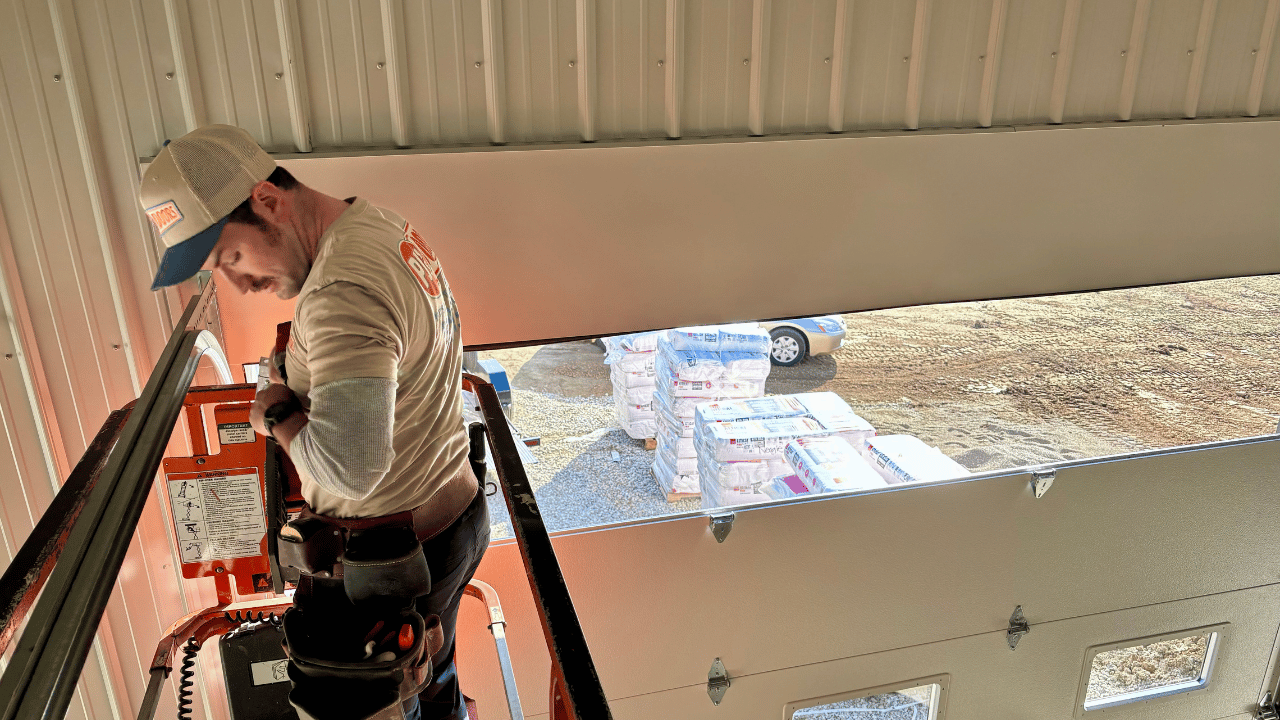
Chain drives use metal chains and sprockets that stand up to heavier loads and more frequent cycles, making them more durable in heavy‑use situations. Belt drives use a reinforced rubber or composite belt for quieter operation but may have lower tensile capacity and different wear behavior under constant heavy loads. Chain drives generally need routine lubrication; belt drives focus on belt tension checks and often run quieter with different long‑term wear patterns.
In short: chain drives trade noise for rugged longevity a fit for detached garages and business bays while belt drives suit attached living spaces where quiet operation matters. Understanding those differences helps you pick the balance between noise tolerance and door weight.
Why Choose Chain Drive Over Screw or Jackshaft for Heavy Doors?
Chain drives transmit torque through sprockets and chains that handle shock loads and repeated cycles without relying on sliding parts like screw drives. Screw drives move the door on a threaded rod and nut, which can wear under heavy, repetitive loads, while jackshaft units mount the motor to the wall and depend on door geometry. For oversized or unusually heavy doors, a chain drive’s distributed sprocket engagement and easier serviceability make it a practical choice.
Chain drives also make component replacement straightforward: chains and sprockets are accessible, which reduces repair complexity for heavy‑duty applications. When sustained lifting power and serviceability matter more than quiet operation or compact mounting, chain drives are often the pragmatic option.
Smart Features That Complement Durable Chain‑Drive Openers
Modern chain‑drive openers can include smart features that add convenience and reliability without sacrificing mechanical durability. Wi‑Fi controllers enable remote control and status alerts, rolling‑code security reduces the chance of unauthorized access, and activity logs show usage patterns that might flag wear. Battery backup systems keep the opener working during outages, preventing mid‑cycle problems that can damage the door or opener.
Here’s a short list of smart integrations that pair well with chain‑drive robustness and deliver clear daily benefits for homes and businesses.
Wi‑Fi connectivity for remote control and alerts: Receive notifications and operate the door from your phone.
Battery backup systems: Keep the opener working during power outages so doors don’t get stuck mid‑cycle.
Security features (rolling codes, alerts): Reduce intrusion risk and notify you of unusual activity or repeated faults.
How Wi‑Fi Adds Convenience and Security
Wi‑Fi lets you open and check your door remotely, get activity alerts, and tie door status into your smart‑home routines. Remote access is handy for deliveries or confirming a door is closed when you’re away. Activity logs can also reveal usage patterns that suggest wear. Security features like rolling codes and firmware updates help prevent unauthorized access by changing codes after each use.
Make sure controllers are compatible with the opener’s control wiring and don’t interfere with safety sensors or auto‑reverse functions. Proper setup boosts convenience and helps you spot issues earlier, supporting long‑term durability.
Do Battery Backups Improve Reliability During Outages?
Yes. Battery backups power the motor and controls during outages so a door can finish a full open or close cycle instead of getting stuck mid‑travel. That prevents strain and possible damage that can occur if a partial cycle stops when power fails. Backups also keep your home secure and let people exit safely when the grid is down.
Consider how long you need backup power, keep the battery maintained, and confirm compatibility with the opener’s voltage and control setup. Regular battery checks and scheduled replacements make sure the backup works when you need it.
Where Richmond, IN Residents Can Find Affordable, Reliable Chain‑Drive Service
Choosing a local provider means weighing response time, transparent pricing, stocked inventory, and technician skill so installations and repairs support long‑term opener life. Cost depends on door weight, opener model, labor complexity, and parts needed; knowing these factors helps set realistic expectations.
Typical Costs for Installation and Repair in Richmond
Price depends on the opener model, door weight, parts required, and any door repairs found during inspection. Heavier or custom doors need stronger motors and sometimes upgraded mounting hardware, which raises parts and labor. Repairs vary too: a chain adjustment is inexpensive compared with replacing a motor or fixing damaged springs or tracks.
Because costs depend on on‑site conditions, ask for a local estimate that accounts for door condition and use patterns. A professional assessment makes sure the quoted work supports long‑term durability and avoids repeat repairs caused by overlooked issues.
How PJ's Doors Provides Honest Pricing and Fast Local Service
PJ's Doors, LLC highlights quick response and fully stocked trucks so many jobs finish on the first visit, reducing return trips. Transparent pricing and plain explanations about needed repairs give customers the context to decide without pushy upsells. Their local focus on Richmond and nearby communities helps with scheduling, follow‑up, and warranty guidance.
To move from assessment to action, Richmond residents are encouraged to call PJ's Doors with door details, describe symptoms, and set up an on‑site inspection or request a free estimate. That ensures accurate pricing based on the specific door and job conditions and aligns with the local service values above.
Frequently Asked Questions
What makes chain‑drive garage door openers a better choice than other types?
Chain‑drive openers are especially good for heavy or oversized doors because of their rugged construction and higher load capacity. While belt drives focus on quiet operation, chain drives deliver durability and long service life, and parts are generally easier to service or replace. That makes chain drives a sensible choice for detached garages and commercial settings where reliability matters most.
How often should I maintain my chain‑drive garage door opener?
Regular maintenance keeps your opener working well. Do a visual check monthly for chain slack, rust, and loose fasteners. Lubricate the chain and sprockets about every six months with a manufacturer‑recommended product. Have a technician perform a full inspection annually to check motor load, spring tension, and sensor alignment. Routine care prevents small problems from becoming big, expensive ones.
What signs indicate my chain‑drive opener needs repair?
Look for grinding or skipping noises, uneven or stalled travel, and sensor or auto‑reverse failures. Visible chain stretch, rounded sprocket teeth, or a motor that overheats are also warning signs. If you notice any of these, schedule professional service before more damage occurs.
Can I install a chain‑drive opener myself, or should I hire a pro?
Some handy homeowners attempt DIY installs, but we recommend a professional. Proper alignment, correct chain tension, and safe sensor setup are critical and can be tricky. Pros perform pre‑install checks and calibrate the opener to your door’s weight and behavior, improving safety and longevity and avoiding costly mistakes.
What smart features are worth considering for a chain‑drive opener?
Look for Wi‑Fi connectivity, battery backup, and modern security features like rolling codes. Wi‑Fi gives remote control and alerts; battery backup keeps the door operable during outages; and rolling codes reduce the risk of unauthorized access. These features add convenience and help protect your mechanical investment.
How do I make my chain‑drive opener last as long as possible?
Follow a simple maintenance routine: lubricate the chain and sprockets, check and adjust chain tension, and inspect components for wear. Keep the rail and trolley clean and aligned to avoid binding. Address strange noises or inconsistent operation promptly and schedule annual professional tune‑ups to catch issues early.
Choose Your Garage Door Now
Choosing a durable chain‑drive garage door opener gives reliable lifting power for heavy and oversized doors a strong fit for many Richmond, IN homes and businesses. Professional installation and regular maintenance make that durability last, reduce long‑term costs, and give you peace of mind. If you’re weighing options or ready for service, contact PJ's Doors to schedule an installation or request a free estimate tailored to your door and usage.
