
Expert Garage Door Cable Repair Services Richmond, IN
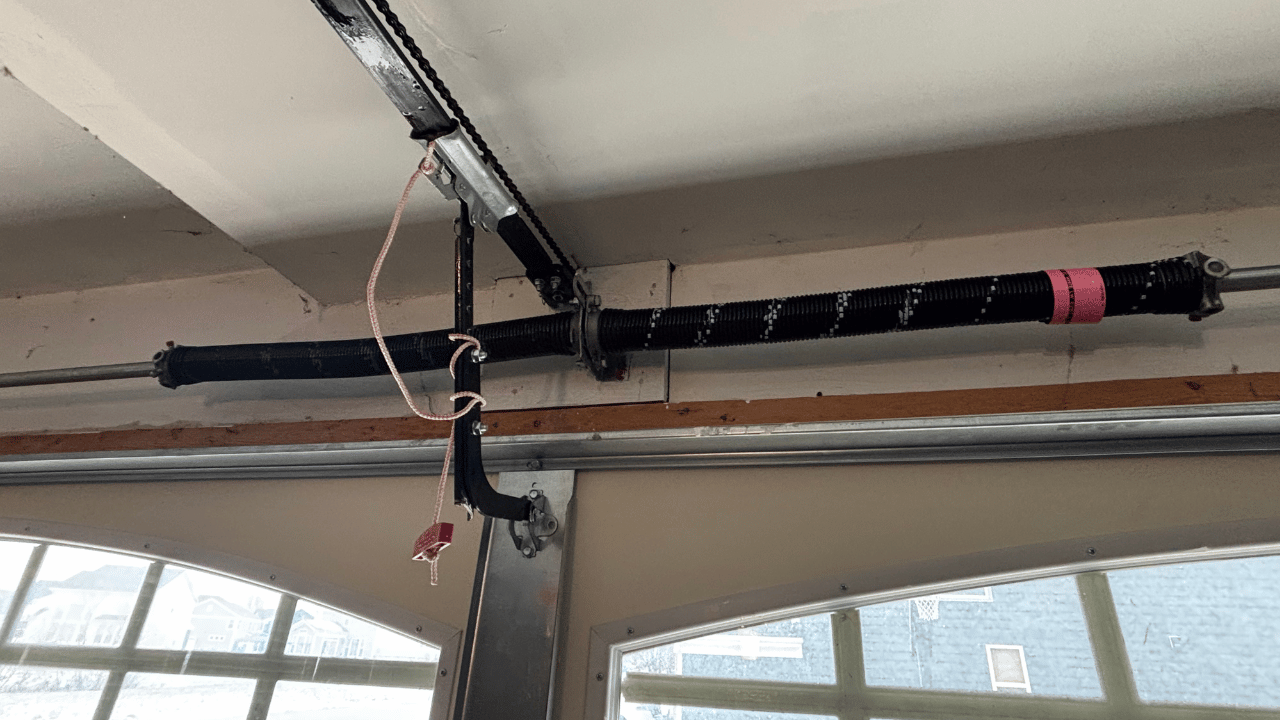
A snapped or frayed garage door cable is a serious safety risk and it can leave your door uneven, stuck, or off track. This guide explains how cables work, why they fail, the warning signs that need prompt attention, and the professional steps that restore safe operation. If you live in Richmond, IN and want fast, dependable help, PJ's Doors, LLC is a local, family-run company that delivers skilled workmanship, honest pricing, and an easy way to schedule service or request a free estimate. Read on to learn how cables interact with springs, drums, and tracks, which symptoms are emergencies, and what maintenance extends cable life to avoid costly emergency replacements. The guide covers cable types and materials, a clear mapping of causes to symptoms and recommended actions, a technician-grade repair workflow, and practical checklists homeowners can use. If you suspect a broken cable or an off-track garage door, this resource will help you diagnose the problem and know when to call in professional cable repair services.
TL;DR
Frayed or snapped garage door cables pose a serious safety risk and cause operational issues.
This guide covers cable function, common failure causes, warning signs, and professional repair processes.
PJ's Doors, LLC offers fast, dependable, and warrantied cable repair services in Richmond, IN.
Learn to diagnose cable problems and understand when professional intervention is necessary.
Discover maintenance tips to extend cable life and prevent costly emergency repairs.
What Are Garage Door Cables and Why Are They Critical?
Garage door cables are steel ropes that link the door to springs and drums and carry most of the load while the door moves. They work together with torsion or extension springs so the opener and rollers can move the door smoothly, preventing sudden drops and keeping travel controlled. Because cables endure many repeated cycles, their condition matters for both safety and reliable operation. Knowing cable materials and construction helps homeowners predict lifespan and recognize failure modes before a sudden break and understanding the parts clarifies how problems spread through the system.
A garage door system includes several linked components that affect cable life. The cable winds around a drum or pulley, runs through brackets, and fastens to the bottom bracket so the load is distributed during motion. Regular checks of each part drum, spring, roller, track, and bracket give early warning that a cable may be wearing out. Correct alignment, proper spring tension, and clean drum grooves are all necessary to prevent abrasion and uneven winding, which speed up cable wear.
Core components tied to cable performance include:
Drum: Guides the cable and sets the winding radius during operation.
Spring: Supplies the counterbalance force the cable carries to lift the door.
Track and Rollers: Keep the door aligned and reduce friction on cables and hardware.
Brackets and Fasteners: Anchor cables and distribute load safely.
When one component fails, it alters loads elsewhere and raises the chance of fraying or snapping. Knowing these relationships leads into how cables function and how they’re routed.
How Do Garage Door Cables Function Within the Door System?
Cables run from the bottom brackets up and around drums or pulleys, then attach to the spring assembly. When the door opens, the spring unwinds and the cable winds onto the drum so tension stays balanced the opener only needs to overcome friction and inertia, not the door’s full weight. Correct cable tension prevents sagging, track issues, or sudden slams; incorrect tension makes the door uneven and puts uneven strain on rollers and tracks. Technicians check cable alignment, drum grooves, and spring balance to make sure the cable winds evenly and holds steady tension a key step to avoid sudden failures and keep operation smooth and safe.
What Types of Garage Door Cables Are Commonly Used?
Most residential cables are galvanized steel or aircraft-style stainless steel with swaged ends. That choice affects longevity, corrosion resistance, and flexibility. Galvanized cables are common and cost-effective with decent rust resistance. Aircraft-style cables use higher-tensile strands and tighter construction for more strength and less stretch under load. Cable diameter and strand count are matched to spring torque and door weight using the wrong size speeds wear and can be unsafe. Picking the right cable means matching material, diameter, and end fittings to the door’s springs and drums, which sets expected lifespan and maintenance needs.
Stronger cable types hold up better under load and in corrosive conditions but cost more. Matching the correct cable to the springs and drums reduces premature failure and the need for emergency repairs.
What Are the Common Causes of Garage Door Cable Failure in Richmond, IN?
Cable failure usually comes from a mix of mechanical wear, environmental corrosion, and misaligned components that raise stress on the cable. Repeated cycles fatigue individual strands, while rough drum edges or misaligned tracks abrade fibers. Local climate seasonal humidity swings and road salt near busy streets can accelerate corrosion and weaken cable strength. Finding the main cause means inspecting springs, drums, tracks, rollers, and fasteners, since a worn or mismatched part often starts the problem.
Common specific causes include abrasion, corrosion from moisture or chemicals, incorrect spring tension that overloads cables, damaged drums that cause uneven winding, and DIY installs that use the wrong cable size or fittings. Each cause has different symptoms and urgency levels homeowners should recognize to avoid injury and extra damage. The next section maps causes to observable symptoms and recommended actions.
Mechanical Wear: Repeated cycles thin strands and cause fraying at contact points.
Corrosion: Moisture or chemicals reduce the cable’s tensile strength over time.
Spring or Drum Mismatch: Wrong tension or worn drums create uneven loading.
Improper Installation: Incorrect size or attachment methods lead to early failure.
These causes tell homeowners what to watch for and whether the situation needs immediate professional attention or scheduled maintenance.
Which Factors Lead to Broken or Frayed Garage Door Cables?
Fraying and breaks come from abrasion against rough hardware, fatigue from many cycles, and chemical or salt exposure that eats away protective coatings. Age increases risk because tiny wire fractures grow with each cycle until a strand snaps. Drums with damaged grooves can shave strands on each rotation. In Richmond, IN, seasonal humidity and de-icing salts can speed corrosion compared with protected indoor systems. Knowing these risk factors helps homeowners prioritize inspections and consider stronger cable materials or protective measures where conditions are harsh.
How quickly you act depends on the cause and severity: light fraying might mean scheduling maintenance within weeks, while heavy fraying, rust-through, or a cable hanging loose needs immediate professional attention. The next section explains how spring and drum problems mechanically affect cables and why those interactions increase risk.
How Do Spring and Drum Problems Affect Cable Integrity?
Springs and drums make up the tensioning system the cable relies on. When springs lose torque or drums wear, tension becomes uneven and loads concentrate on a few strands. A mismatched spring may under- or overcompensate for door weight, forcing the cable to carry extra load and speeding up fatigue. Worn drum grooves let the cable slip or scrape against sharp edges, causing localized abrasion and fast strand failure. Because spring and drum adjustments involve stored energy and dangerous forces, homeowners should not attempt DIY tensioning call a trained technician for diagnosis and repair.
This is why a complete inspection of springs, drums, cables, tracks, and rollers is essential before replacing cables. Swapping a cable without fixing a damaged drum or wrong spring tension only delays failure and raises safety risk.
How Can You Identify Signs That Your Garage Door Cables Need Repair?
Catch cable issues early by combining a visual check with attention to how the door moves. Symptoms range from visible fraying to operational signs like uneven travel or sudden stops. Do visual checks from a safe distance with the door at rest: look for protruding wire strands, rust, uneven winding on the drum, or gaps where strands have broken. Operational warning signs include a door that tilts, stalls mid-travel, or behaves like an off-track door. Sounds such as grinding, snapping, or loud metal-on-metal noises are also red flags. If you see serious signs, stop using the door and arrange a professional inspection to avoid injury or equipment damage.
Early detection means smaller repairs and fewer emergencies a small fray found during routine maintenance can become a scheduled replacement instead of a sudden failure. Use this symptom checklist to judge urgency.
Uneven Movement: Door tilts or rises higher on one side when opening.
Visible Fraying: Wire strands sticking out or hanging from the cable.
Cable Off Drum: Cable looks off the drum or hangs loose from the bottom bracket.
Audible Snaps or Grinding: Loud metal noises during operation.
After checking, act according to severity: stop using the door for serious symptoms and call for professional repair; for minor signs, schedule an inspection and preventive maintenance.
What Are the Symptoms of a Broken or Off Track Garage Door Cable?
A broken cable often leaves one side unsupported, so the door hangs crooked or gets stuck mid-travel and it can drop suddenly. Visible signs include a cable hanging down, loose drum coils, or a bottom bracket that no longer holds tension. If a cable is off the drum, the door may move erratically, slam, or fail to open fully while the opener strains. These are dangerous conditions stop using the door and call a professional technician to secure and repair it rather than attempting DIY fixes that risk injury.
Is It Dangerous to Operate a Door with Damaged Cables?
Yes. Operating a door with damaged cables risks an uncontrolled descent, equipment damage, and serious injury. Cables and springs store a lot of mechanical energy, and a compromised cable can fail without warning. Running the door with one cable failing overloads the remaining parts and can trigger cascading failures. For safety and liability reasons, avoid using a door with heavy fraying, uneven motion, or a hanging cable wait for a trained technician to secure and repair it. Emergency repair is warranted for heavy fraying, snapped cables, or any door that’s off track and unsafe to operate.
What Is the Expert Garage Door Cable Repair Process at PJ's Doors?
At PJ's Doors, cable repair starts by securing the door and doing a full diagnostic to find root causes before replacing parts. Our technicians follow a clear sequence: isolate power to the opener, secure the door, perform a 27-point inspection covering springs, drums, tracks, rollers, and fasteners, then decide whether cable replacement alone will fix the problem or if spring/drum work is needed. Replacing a cable means removing the old one, matching the correct type and diameter, installing proper end fittings, winding the cable onto the drum with correct tension, and re-testing door balance and safety sensors. We finish with a customer walkthrough that explains the work and any recommendations, and we back our workmanship with a warranty.
That method reduces repeat failures because it treats the whole mechanical chain rather than just the cable. Below is the step-by-step technician sequence we follow.
Secure Door and Disconnect Opener: Prevent accidental movement and remove power sources.
Perform Full Diagnostic (27-Point Inspection): Evaluate springs, drums, tracks, rollers, and hardware.
Replace Cable with Correct Type/Size: Remove old cable and install the matched replacement.
Re-tension Springs and Wind Cable on Drum: Achieve proper balance and smooth winding.
Test Safety Features and Door Balance: Confirm smooth, safe operation and customer walkthrough.
What Are the Step-by-Step Procedures for Cable Inspection and Repair?
Our technician workflow begins by locking the door in place and disabling the opener for a safe workspace. We then inspect springs, drums, cable anchors, tracks, rollers, and fasteners. After documenting wear and measuring spring torque, the tech selects the correct cable material and diameter, removes the old cable, and fits the new cable with proper end fittings and clamps. Springs are adjusted to restore balanced tension, the cable is wound evenly into drum grooves, and the tech cycles the door to verify alignment and smooth travel. Final steps include safety sensor checks, lubrication where needed, and a hands-on demonstration with maintenance tips for the homeowner.
How Does PJ's Doors Ensure Safety and Precision During Repairs?
PJ's Doors relies on trained technicians, standard inspection checklists, and post-repair testing to ensure safety and long-term performance. Our 27-point inspection helps find hidden issues. Safety protocols include securing the door, disabling openers before working on springs or cables, using the right lifting and tensioning tools, and testing sensors and auto-reverse features after repairs. Precision comes from matching cable type and diameter to the door’s spring torque and drum geometry, and calibrating spring tension so the door stays balanced through the full travel. Customers receive a workmanship warranty and a clear walkthrough explaining what we repaired and how to spot future issues.
These quality and safety steps lower the chance of repeat problems and give homeowners confidence that repairs restore reliable, long-lasting operation not just a quick fix.
Why Choose PJ's Doors for Garage Door Cable Repair in Richmond, IN?
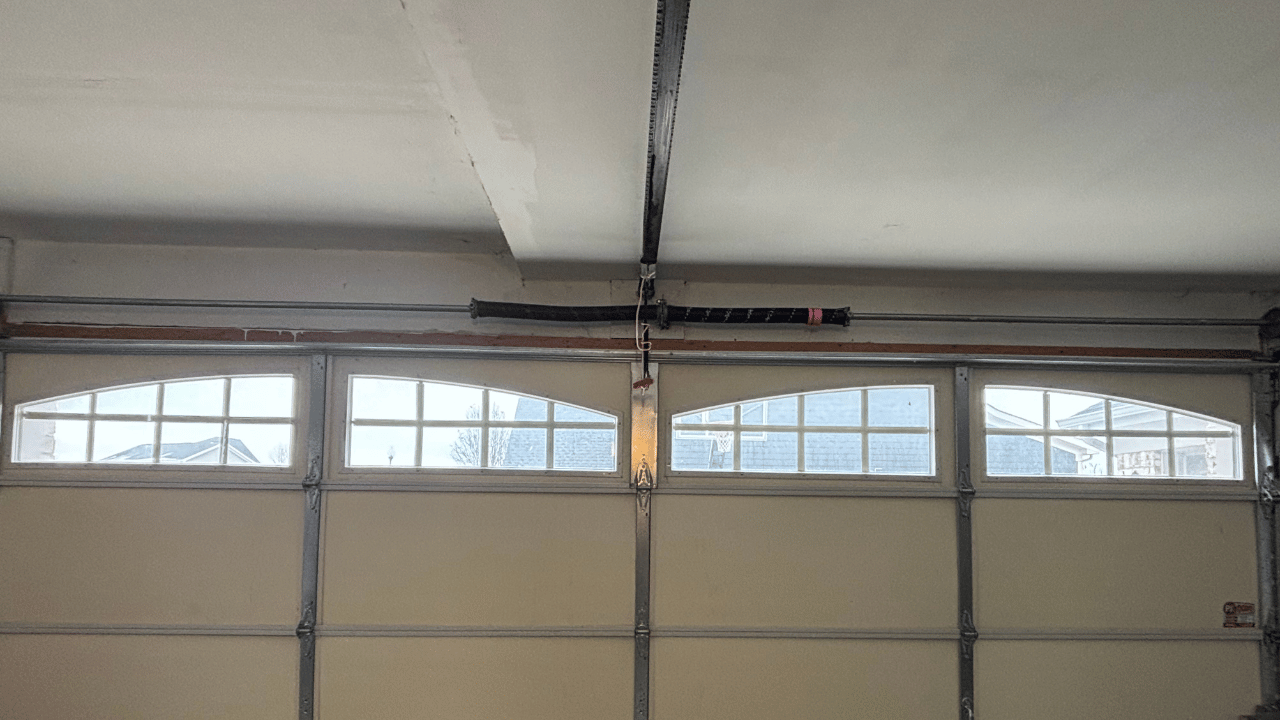
Choosing a local, family-owned shop like PJ's Doors for garage door cable repair means faster response, transparent pricing, and community accountability that big chains often can’t match. We focus on residential and commercial needs across Richmond, IN and nearby areas, offering fast response including same-day and emergency service when safety requires it. Our approach centers on honest estimates, warranty-backed repairs, and a structured inspection process (like our 27-point check) so fixes address root causes instead of just symptoms. That gives homeowners a clear scope of work and a dependable partner for ongoing maintenance.
Local, Family-Owned Service: Community focus and dependable, nearby support.
Fast Response & Emergency Availability: Same-day and emergency options for urgent safety issues.
Upfront Pricing & Warranties: Transparent estimates and warranty-backed workmanship.
Below we outline what sets our service apart.
What Unique Benefits Does PJ's Doors Offer for Cable Repair Services?
We include a 27-point inspection in our diagnostics to find root causes like worn drums or improper spring tension before replacing cables. As a local, family-owned business we emphasize quick response, accountability, and a final walkthrough with maintenance tips so owners can avoid repeat issues. Warranty-backed repairs and upfront pricing give clarity on costs and outcomes, and our local presence supports ongoing service continuity. These differences make for a repair experience focused on safety and long-term value.
Are Emergency Garage Door Cable Repair Services Available?
Yes. PJ's Doors offers same-day and emergency response when a broken or off-track garage door poses a hazard to people or property. Emergency work prioritizes securing the door to prevent drops or unauthorized entry, then a fast assessment determines whether temporary securement or full replacement is needed. If you have a snapped cable or a door that’s unsafe to operate, stop using the door and call for emergency service to minimize risk. We prioritize hazardous calls and follow up to fully restore safe operation.
Our commitment means homeowners can expect quick prioritization for dangerous situations and a clear plan to restore reliable function.
How Can Preventative Maintenance Extend the Life of Your Garage Door Cables?
Preventative maintenance lowers the chance of sudden cable failure by addressing the main wear factors abrasion, corrosion, and fatigue before they become dangerous. Regular tasks like visual inspections, lubricating moving parts, cleaning tracks, and annual professional tune-ups keep components aligned and reduce uneven loads that wear cables faster. Routine maintenance lets technicians spot worn drums, misadjusted springs, and loose fasteners so repairs are less costly than emergency replacements. A little upkeep saves service calls and helps parts live longer.
Use a simple maintenance checklist to prioritize tasks and schedule professional inspections based on how often you use the door and your local environment.
Monthly Visual Inspections: Check for fraying, rust, and loose hardware.
Quarterly Lubrication: Lubricate rollers, hinges, and non-plastic components to cut friction.
Annual Professional Tune-Up: Have a technician perform a full balance and 27-point inspection.
Track Cleaning and Debris Removal: Keep tracks clear to prevent misalignment and abrasion.
Following these steps reduces the stresses that cause premature cable failure and improves overall door reliability.
What Maintenance Practices Help Avoid Cable Breakage?
To avoid breakage, perform routine visual checks, lubricate metal moving parts, and keep tracks and drain areas clear of debris that can cause misalignment. Monthly checks of cable condition, drum grooves, and spring appearance catch wear early, while quarterly lubrication reduces abrasion at contact points. Scheduling an annual professional tune-up with a full diagnostic keeps spring tension and drum condition in check before they overload the cables. Together, these practices lengthen cable life and lower the chance of emergency replacement.
When Should You Schedule Professional Garage Door Maintenance?
Schedule professional maintenance at least once a year for most residential doors and more often for high-use or commercial doors. Call sooner if you see fraying, uneven movement, loud grinding noises, or sudden changes in opener performance. Older doors, heavy daily use, or corrosive environments may justify twice-yearly inspections. Acting early when symptoms appear prevents small wear from turning into full cable failure and avoids emergency situations. Regular professional maintenance balances cost against the safety and convenience of a reliable door.
For help with diagnosis, repairs, or a free estimate, Richmond, IN homeowners can contact PJ's Doors, LLC to schedule service with technicians who follow a safety-first, warranty-backed repair process.
Frequently Asked Questions
What should I do if I notice my garage door cable is fraying?
If you see fraying, stop using the door right away to avoid further damage or injury. Frayed cables can fail suddenly and cause the door to drop. Schedule a professional inspection as soon as possible so a technician can assess whether a repair or full replacement is needed. Regular maintenance helps catch these issues early consider adding routine inspections to your schedule.
How often should I perform maintenance on my garage door cables?
Do monthly visual inspections for fraying or rust, and lubricate moving parts quarterly to reduce wear. An annual professional tune-up with a thorough 27-point inspection is also recommended to make sure all components are working properly and to fix problems before they get worse. Regular care extends cable life and lowers the chance of emergencies.
Can I replace garage door cables myself?
Technically it’s possible, but we don’t recommend DIY cable replacement. Garage door systems hold a lot of tension, and improper handling can cause serious injury. If underlying problems like misaligned springs or damaged drums aren’t corrected, new cables may fail quickly. Hire a trained technician to replace cables safely and ensure everything is adjusted correctly.
What are the signs that my garage door cables need immediate attention?
Immediate attention is required if you see heavy fraying, a cable hanging loose, or uneven door movement. If the door tilts, stalls mid-travel, or makes loud grinding noises, those are also warning signs. If you notice any of these, stop using the door and contact a professional technician to assess and repair the problem.
How can I prevent garage door cable failure?
Prevent failure with regular maintenance: monthly visual checks for fraying or rust, quarterly lubrication, and yearly professional tune-ups. Keeping tracks clean and components aligned reduces wear. Using the correct, high-quality cable for your door also increases durability. These steps minimize the risk of sudden failures.
What should I expect during a professional garage door cable repair service?
A technician will secure the door and disconnect the opener for safety, then perform a complete diagnostic inspection of springs, drums, and tracks. If replacement is needed, they’ll remove the old cable, install the proper new cable, and adjust tension to restore balance. After repairs, they’ll test the door, check safety features, and walk you through what was done and how to maintain the system.
Are there different types of garage door cables, and how do I know which one to use?
Yes. The main types are galvanized steel and aircraft-style stainless or high-tensile cables. Choice depends on door weight, spring type, and environmental conditions. Galvanized is cost-effective with decent corrosion resistance; aircraft-style cables offer extra strength and durability. It’s important to match cable type and diameter to your door’s specs a technician can recommend the best option for your situation.
Repair Your Garage Door Now
Garage door cables are a small part of the system with a big safety role. Spotting wear early and scheduling regular inspections prevents costly emergency repairs and keeps your door working reliably. For professional help and dependable service, reach out to PJ's Doors for a full inspection or repair. Take the first step toward a safer garage door contact us for a free estimate.
