
How to Fix a Noisy Garage Door in Richmond, IN

A noisy garage door usually means parts are wearing out, tracks are out of alignment, or the opener is struggling. Left alone, those sounds can shorten the door’s life and create safety risks. This guide walks Richmond homeowners through what different noises mean (from squeaks and rattles to grinding and scraping), why they happen, and practical steps you can take safely at home. You’ll get easy DIY checks, step-by-step lubrication and tightening instructions, and clear guidance on when to call a pro. We also explain what a professional service includes, how our 27-Point Inspection stops recurring noise, and how to schedule fast local repairs with PJ's Doors, LLC. Actionable checklists, quick-reference tables, and concise troubleshooting tips make it simple to match what you hear with the right fix and protect your garage door investment.
TL;DR
Noisy garage doors often indicate wear, misalignment, or opener problems.
This guide helps Richmond homeowners understand different noises and their causes.
Learn DIY checks, lubrication, and tightening steps for common issues.
Understand when to call a professional for safety and lasting repairs.
Discover PJ's Doors, LLC's 27-Point Inspection and local repair services.
What Causes Noisy Garage Doors in Richmond, IN?
Most garage door noise comes from worn moving parts, lack of lubrication, misaligned tracks, or failing opener gears. Different problems make different sounds; knowing which sound points to which part helps you decide whether a quick maintenance job will do or if you need a professional repair. Catching issues early limits further damage and avoids noises that hide serious failures like broken springs or frayed cables. Below are the common noise types and a short recommended action to help you triage quickly.
Common noises and quick actions for homeowners:
Squeaking or Squealing: Usually from dry rollers, hinges, or springs; use a silicone or white lithium lubricant on moving metal parts, then re-check.
Grinding or Scraping: Often worn rollers or bent tracks; inspect tracks for debris and consider replacing damaged rollers.
Rattling or Clicking: Usually loose hardware or worn opener parts; tighten fasteners and verify the opener is mounted securely before testing.
Start with cleaning and lubrication, then tighten visible hardware. If you see signs of high‑tension components (torsion springs, broken cables) or persistent grinding, stop and schedule a professional diagnosis. Those issues are best handled by trained technicians for safety and a lasting repair.
Why Does My Garage Door Squeak or Squeal?
Squeaks come from metal rubbing on metal when lubrication has worn away or rollers and hinges have gone dry. That friction makes a high-pitched noise and accelerates wear. Use a silicone-based or white lithium spray on rollers, hinges, and pivot points; avoid heavy oils that trap dirt. With the door closed and power off, inspect with a flashlight for dry bearings, cracked rollers, or worn hinge pins; those problems often need replacement rather than just lube. If squeaks continue after proper lubrication, schedule a professional inspection to avoid faster failure.
Proper lubrication is the first, and often most effective, step toward quieter operation and longer component life.
What Causes Grinding or Scraping Noises?
Grinding or scraping usually means mechanical contact: a roller wearing down and contacting the track, debris tucked into the track, or a bent track that blocks smooth travel. Start with a visual check: look for dents, gaps, missing roller flanges, and clear out grit or stones. If rollers have flat spots, cracked nylon, or exposed bearings, they should be replaced; that’s a DIY job only if you have the right parts and basic mechanical skills. If the grinding comes from the opener itself (metallic grind during motor run), that’s often a gearbox or drive issue and needs professional diagnosis to avoid further damage.
Track and roller problems are common causes of grinding and are covered in the maintenance steps that follow.
How to Troubleshoot and Perform Basic Maintenance on a Noisy Garage Door
Always prioritize safety: disconnect power to the opener and release the automatic opener before doing hands-on checks. Visually inspect rollers, tracks, hinges, springs, and cables for obvious wear or damage. A systematic maintenance routine includes cleaning tracks, lubricating the correct parts, and tightening loose fasteners in the right order to avoid misalignment. These steps will fix many noise problems and show whether the door is a DIY job or needs pros. Follow the numbered routine below for a straightforward maintenance check.
Step-by-step troubleshooting and routine maintenance:
Power Down and Inspect: Unplug the opener, release the trolley, and manually operate the door to spot binding, scraping, or wobble.
Clean Tracks and Remove Debris: Use a soft brush and rag to remove dirt and pebbles; never pack tracks with grease.
Lubricate Moving Parts: Spray silicone or white lithium on rollers, hinges, and springs, then cycle the door several times to distribute it.
Tighten Hardware: Check and snug loose bolts and bracket fasteners in a crosswise order; don’t adjust spring anchor bolts yourself.
Test Opener and Balance: Reconnect power and test the opener. If the door auto-reverses or runs unevenly, stop and call a pro.
Watch the door for several cycles after maintenance. If noise or irregular motion continues, contact a specialist who can run advanced diagnostics and balance tests.
Best Lubrication Techniques for Garage Door Parts
Good lubrication reduces friction, stops corrosion, and quiets movement, but less is more. Choose silicone-based sprays or white lithium grease made for garage door parts; they cut friction without attracting grit. Avoid general-purpose penetrating oils that leave sticky residues. Apply sparingly to pivot points, roller shafts, hinge pins, and lightly along the torsion spring shaft (only while springs are intact). Manually cycle the door several times to spread the lubricant evenly, protect the floor with rags or cardboard, and wipe away excess to prevent dirt buildup.
Regular, correct lubrication extends component life and makes the next maintenance steps easier.
How to Check and Tighten Loose Hardware Safely
Start with a visual sweep of fasteners, brackets, hinge bolts, and opener mounting points while the door is closed. Loose hardware is a frequent source of noise and misalignment. Use the correctly sized wrench or socket and tighten bolts snugly; avoid over-torquing which can strip holes or warp brackets. Tighten from top to bottom to keep alignment steady, then cycle the door and listen. If tightening causes binding or affects tracking, loosen and call a pro to reassess alignment. If holes are elongated or metal shows fatigue, replace the worn part to prevent repeat problems.
A careful hardware check completes the homeowner’s routine and shows when professional balancing or part replacement is needed.
When to Call PJ's Doors for Professional Garage Door Repair in Richmond, IN
Many small noises are DIY-fixable, but certain signs require professional attention for safety and a reliable repair. Call PJ's Doors when you see broken or frayed cables, bent tracks, persistent grinding from the opener, loud bangs, or when the door is unbalanced or won’t stay open. PJ's Doors, LLC is a local, family-owned team with fast response times and warrantied parts, a smart choice when the job is beyond safe DIY. Our technicians run diagnostic tests, including balance checks, opener diagnostics, and component inspections, to find root causes and recommend the correct repair. If you hear a loud bang, notice uneven travel, or the door reverses unexpectedly, arrange service promptly to avoid bigger, costlier problems.
We offer emergency repairs, transparent pricing, and a 27-Point Inspection that uncovers hidden causes of noise; for high-tension work like torsion spring replacement, our technicians handle the job safely and efficiently.
This guide helps you weigh DIY fixes against professional service so you can choose the safest, most cost-effective path.
Risks of DIY Garage Door Spring Repairs
Torsion and extension springs store a lot of energy; mishandling them can cause serious injury or property damage. Spring adjustment or replacement requires special tools and training to control tension, set correct winding counts, and balance the door to manufacturer specs. Mistakes lead to uneven movement, extra load on the opener, and faster wear on other parts. For safety and a correct outcome, leave spring and cable work to trained technicians who complete the job and verify door balance and opener settings afterward.
Knowing the danger of spring work makes it clear why professional inspection and repair protect both people and the system’s long-term performance.
Which Complex Noisy Door Problems Need Expert Diagnosis?
Complex noise causes include damaged cables, bent or misaligned tracks, opener gearbox failure, misbalanced doors, and electrical or drive issues in belt or chain systems. These usually show persistent grinding, stumbling, or uneven travel that basic DIY can’t reliably fix. A professional diagnosis includes a balance test, opener load and gear inspection, and precision track alignment. Technicians can also spot worn transmitters, circuit problems, or failing motor components that cause intermittent noise. Fixing these issues often requires parts replacement, recalibration, or specialized tools only service pros carry. Calling a technician early prevents collateral damage and restores quiet, dependable operation.
This section helps homeowners recognize when a problem needs professional diagnostic tools and parts rather than repeated DIY attempts.
What PJ's Doors’ Comprehensive Maintenance Includes
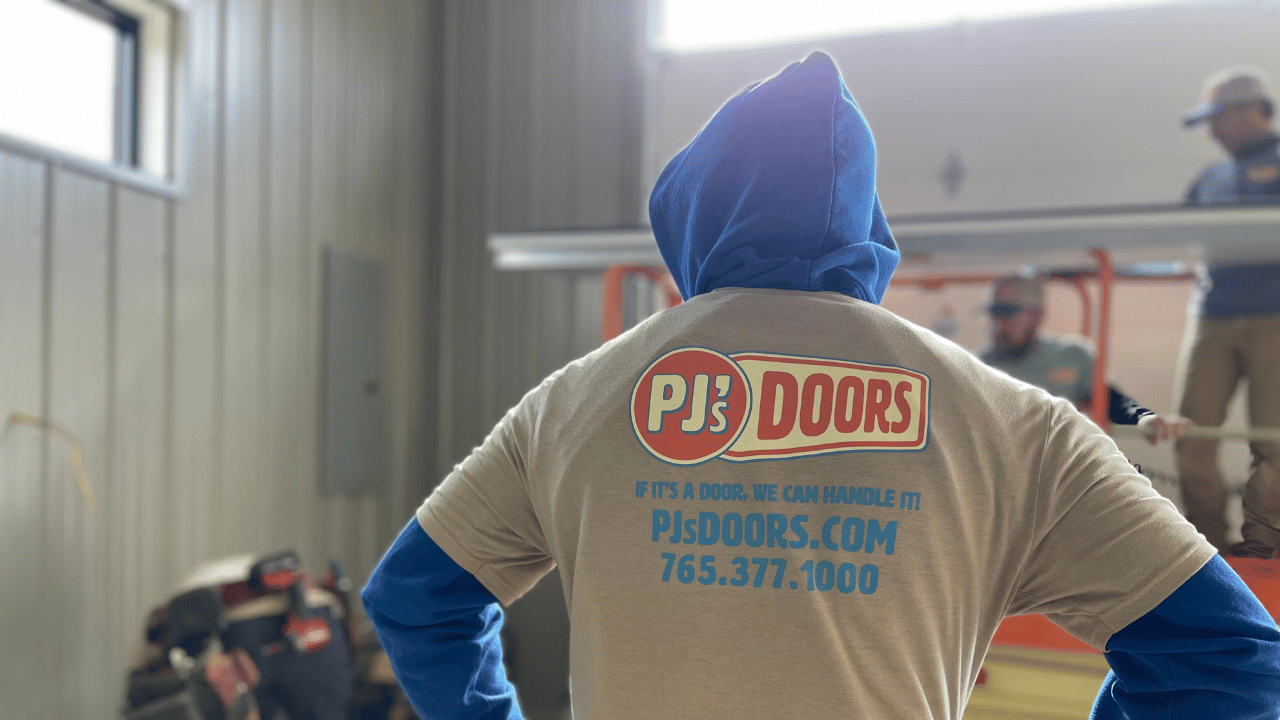
Our maintenance centers on a 27-Point Inspection plus lubrication, tune-up adjustments, and recommendations for needed replacements. The inspection checks rollers, hinges, tracks, springs, cables, opener parts, and mounting hardware to spot wear and alignment problems before they worsen. Technicians apply recommended lubricants, tighten and adjust fasteners in sequence, and test the opener and safety-reverse system to meet performance standards. For Richmond homeowners, this service measurably quiets doors and cuts the chance of emergency repairs.
How the 27-Point Inspection Prevents Garage Door Noise
The 27-Point Inspection targets the parts that cause friction, vibration, and misalignment. Early detection lets us lubricate, tighten, or replace parts before noises get worse. For example, replacing a worn roller bearing prevents it from grinding the track, and tightening loose hardware stops rattles and reduces stress on brackets. We also inspect the opener gearbox and drive components, since worn gears can produce grinding under load.
That inspection-to-action workflow is how preventive maintenance reduces noise and the risk of sudden failures.
Benefits of Regular Garage Door Tune-Ups
Regular tune-ups deliver quieter doors, fewer emergency calls, longer component life, and reliable safety performance. Scheduled maintenance reduces friction on rollers and hinges, keeps track alignment correct to prevent scraping, and ensures the opener runs under proper load, all of which prolong motor life. Routine checks also confirm safety features like auto-reverse are working, giving you peace of mind and fewer surprises.
These benefits naturally lead to simple scheduling steps for homeowners who want professional service.
How to Schedule Noisy Garage Door Repair with PJ's Doors in Richmond, IN
Booking a repair or free estimate is simple: call our local number, describe the noise and symptoms, schedule an inspection, and receive an upfront quote with recommended repairs. PJ's Doors focuses on fast response and same-day service for many urgent repairs, plus honest pricing and warrantied parts. When you call, our team will ask a few questions and may request photos to triage before the visit. During the appointment we perform the 27-Point Inspection, provide a clear estimate, and explain any immediate safety steps. We serve Richmond and nearby communities for both residential and commercial needs.
The list below shows the exact steps to arrange service and prepare for the visit.
Call to Describe the Problem: Give your phone number and describe the noise and when it happens.
Schedule an Inspection: Pick a convenient time for a technician to perform the 27-Point Inspection.
Prepare Information: Have photos or a short video of the noise and clear garage access for the tech.
Receive Estimate and Timeline: Get an upfront quote and recommendations for repair or maintenance.
On the initial visit we usually diagnose the issue and explain repair options so you understand costs and safety implications before any work begins.
How to Book a Free Estimate or Service Appointment
To book a free estimate, call PJ's Doors’ local number and provide your address plus a brief description of the noise or problem. Our scheduler will offer appointment windows and flag urgent safety concerns. Before the visit, take photos or a short video showing the noise and note whether it happens on opening, closing, or both. The technician will perform the 27-Point Inspection, show findings, and present an itemized estimate with timelines. Many common repairs are finished on the first visit if parts are on hand; otherwise we schedule the follow-up promptly.
Following these steps helps ensure an efficient, informative service visit.
How PJ's Doors Delivers Fast, Reliable Repair Response
PJ's Doors keeps a local presence and prioritizes same-day or fast-response service for urgent problems. Our technicians carry common parts to complete many repairs on the first visit, and we offer upfront, honest pricing plus warrantied parts. Technicians use standardized diagnostics and document findings so repairs address root causes, not just symptoms, reducing return visits and restoring quiet, dependable operation. Our local, responsive approach minimizes downtime and keeps garage doors working safely and quietly.
This service model shows why timely professional help is important for high-risk or persistent problems and helps homeowners decide between DIY and contractor repair.
Frequently Asked Questions
How often should I perform maintenance on my garage door?
We recommend a basic maintenance check at least once a year. If you hear new noises or notice irregular movement, check sooner. Seasonal changes can affect door performance, so a quick inspection before winter or after heavy storms is a good idea. Regular checks should include lubrication, tightening hardware, and a wear inspection. Routine maintenance extends the life of your door and keeps it safer.
What should I do if my garage door won't open or close properly?
First, look for visible obstructions in the tracks and make sure the opener has power and remote batteries are good. If the door still won’t operate, it could be a misaligned track, a failing opener, or a spring issue. In those cases, call a professional to diagnose and fix the problem safely.
Can I use regular oil to lubricate my garage door?
No, regular oil tends to attract dirt and grime, which can make noise worse over time. Use silicone-based sprays or white lithium grease designed for garage door components. These lubricants reduce friction without leaving sticky residues. Proper lubrication keeps parts moving smoothly and extends their life.
What are the signs my garage door springs need replacement?
Signs include a door that won’t open or close fully, visible gaps or breaks in the springs, or a door that’s noticeably unbalanced or hangs unevenly. Loud bangs during operation can also indicate a broken spring. Because springs are under high tension, do not attempt DIY repairs; call a professional for safe replacement and proper balancing.
How can I improve the lifespan of my garage door?
Regular maintenance is the best way: lubricate moving parts, tighten loose hardware, and inspect for wear. Keep tracks clean, avoid slamming the door, and ensure the opener works correctly. Scheduling an annual professional inspection catches problems early and prevents costly repairs, helping your system last longer.
What should I do if my garage door reverses unexpectedly?
First, check for obstructions and make sure the safety sensors are aligned and clean. If sensors are clear and the door still reverses, it could be a problem with the opener’s settings, the force adjustment, or another mechanical issue. In that case, contact a professional for a full inspection and repair.
Why Is My Garage Door Making a Grinding Noise?
Grinding usually points to roller failure, a bent or obstructed track, or an opener gearbox problem. Inspect rollers and tracks for visible damage and remove debris before testing again. If the grinding persists and sounds mechanical rather than loose hardware, stop using the door and call a professional for gearbox or track alignment diagnosis to avoid further damage.
When grinding continues under load, the opener may be strained; professional repair is the safest option to prevent more costly failures.
What Is the Best Lubricant for a Noisy Garage Door?
Silicone-based sprays and white lithium grease are the best choices for garage door parts because they reduce friction without attracting dust and grit. Apply sparingly to rollers, hinges, and pivot points, and avoid water-displacing penetrating oils that leave sticky residues. Regular, correct lubrication (annually or as needed after inspections) keeps the door quieter and parts lasting longer.
These practical recommendations help you choose the right products and avoid common lubrication mistakes that cause recurring noise.
Silence The Noise Now
Fixing a noisy garage door improves safety and saves money over time. By learning common causes and following simple, safe maintenance steps, Richmond homeowners can keep doors running quietly and reliably. When a problem goes beyond DIY, PJ's Doors, LLC offers expert local service, a thorough 27-Point Inspection, and fast repairs. Schedule an inspection today to protect your garage door and restore quiet operation.
