
Master Garage Door Alignment with This Simple Guide
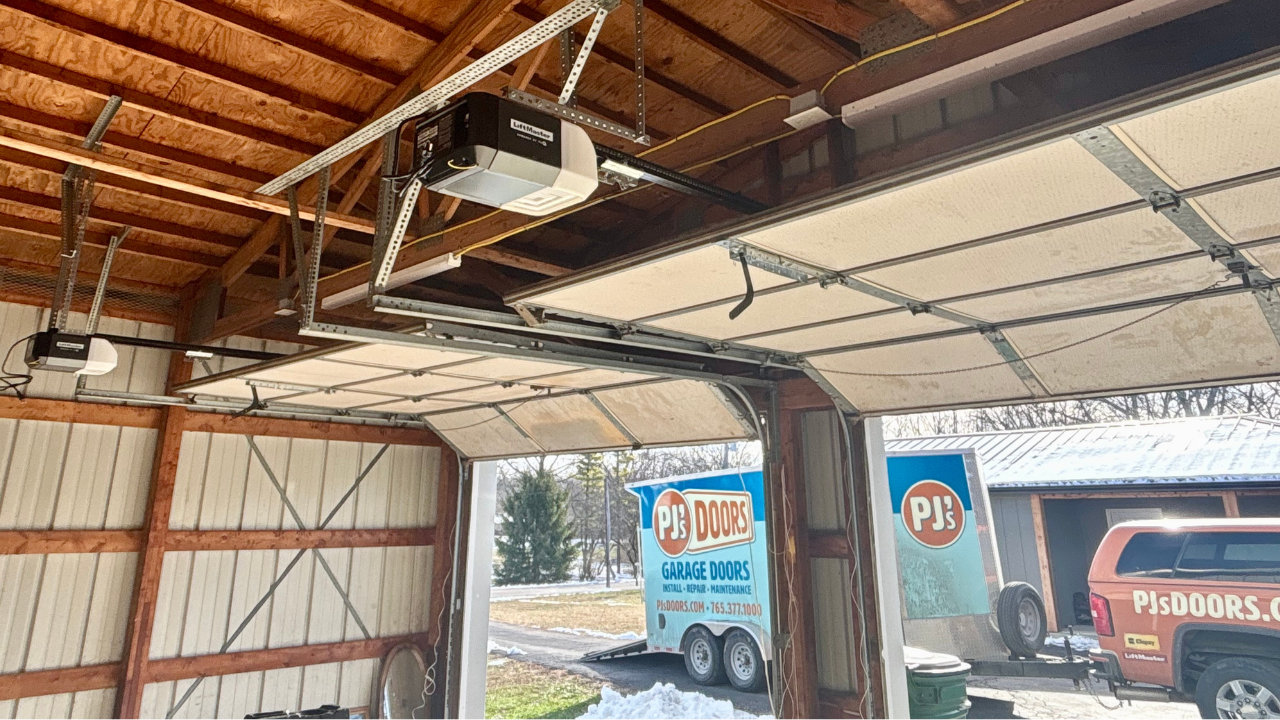
Garage door misalignment reduces security and convenience and can create safety hazards. This guide helps homeowners in Indiana and Ohio identify causes, perform basic diagnostics, and apply common corrective steps. Follow the practical checks and repairs below, and learn when to call a professional.
What Are the Common Causes of Garage Door Misalignment?
Misalignment usually comes from a few repeatable problems:
Misaligned Sensors: Incorrect sensor aim can prevent the door from closing fully.
Worn-Out Rollers: Old or damaged rollers let the door drift off track.
Debris in Tracks: Dirt or objects in the tracks block smooth movement.
Spotting these causes lets homeowners apply targeted maintenance to reduce failures.
How Do Garage Door Tracks and Sensors Contribute to Misalignment?
Tracks guide the door; sensors confirm a clear path. Problems with either will stop correct operation.
Sensor Misalignment: Misaligned sensors may fail to detect obstacles and stop closure.
Obstructed Tracks: Buildup or dents prevent the door from moving smoothly.
Regular Maintenance: Cleaning, inspection, and minor adjustments keep both working reliably.
Maintaining tracks and sensors prevents many alignment issues.
Further analysis of garage door track mechanics underscores their critical role in overall functionality and design.
Garage Door Mechanics: Track Systems & Functionality
The design uses a friction-wheel mechanism to move doors along a track integrated into the floor of the structure. Aesthetics, functionality, and durability guide the design process, informed by core engineering principles, technical analysis (including Internet of Things and smart systems), and creative development.
Horizontal garage door, 2024
What Environmental and Mechanical Factors Affect Door Alignment?
Temperature, moisture, and worn parts all change how the door fits and moves:
Temperature Changes: Expansion or contraction can alter clearances.
Moisture: Wood can warp; metal can corrode or stiffen.
Worn Components: Springs, rollers, and hinges degrade over time and shift alignment.
Addressing these factors with seasonal checks helps preserve alignment.
How Can Homeowners Diagnose Garage Door Alignment Issues?
Use these quick diagnostic steps to find alignment problems:
Visual Inspection: Look for gaps between the door and frame and for bent tracks.
Tightening Hardware: Secure loose bolts and brackets that allow movement.
Testing Balance: Manually lift the door; uneven movement or sudden drops indicate issues.
Early checks reduce the chance of larger repairs.
What Are the Signs of Sensor and Track Malfunctions?
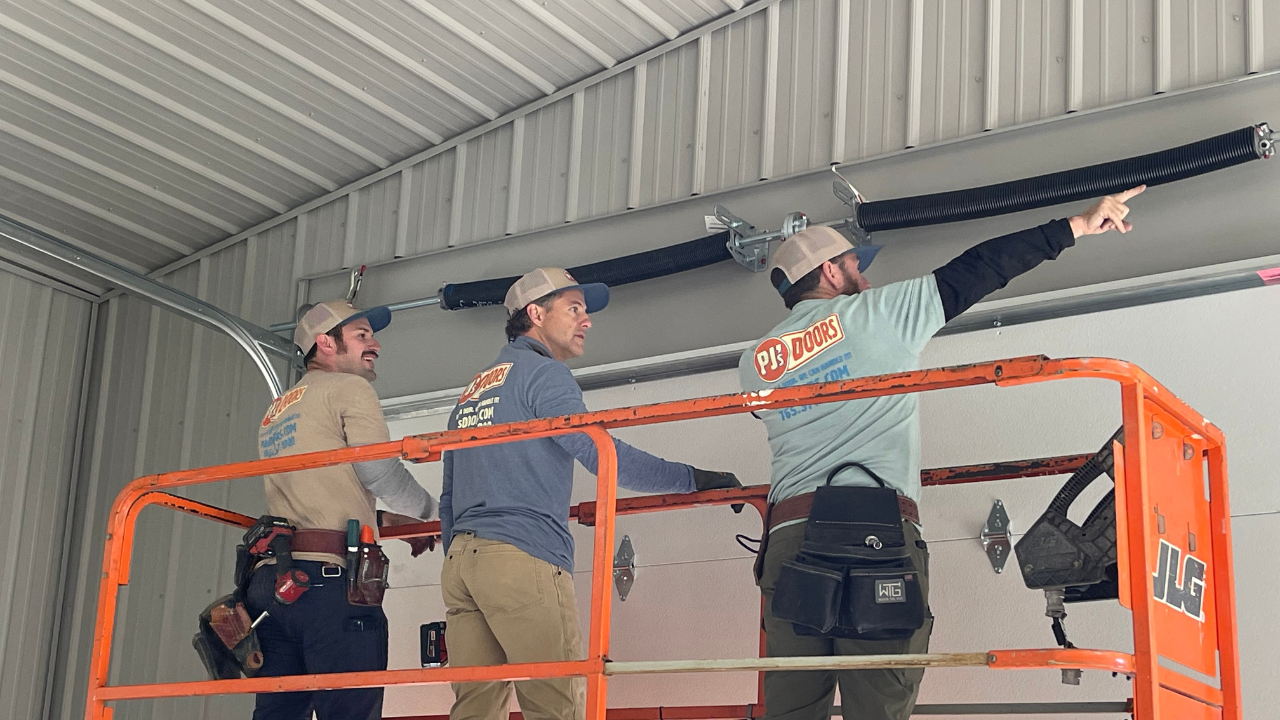
Watch for these indicators:
Blinking Indicator Lights: Sensor lights that blink often mean misalignment or obstruction.
Dirty Sensor Lenses: Wiped lenses can restore reliable sensing.
Obstructions in Tracks: Visible debris or deformation will hinder movement.
Noticing these signs early prevents further damage.
How to Safely Inspect Garage Door Components for Misalignment?
Perform inspections safely and methodically:
Power Down the Opener: Disconnect power before any inspection or adjustment.
Visual Inspection for Damage: Check door panels, tracks, rollers, and mounting hardware.
Check Safety Sensors: Clean lenses and confirm sensors are level and unobstructed.
Following safe steps reduces the risk of accidental activation or injury.
What Are the Step-by-Step Procedures to Fix a Misaligned Garage Door?
Basic corrective steps many homeowners can perform:
Power Down and Inspect: Turn off the opener and inspect for obvious damage.
Clean Tracks and Remove Debris: Clear dirt, small objects, and corrosion from tracks.
Tighten Hardware: Firmly tighten loose fasteners, brackets, and hinge bolts.
For professional support, PJ's Doors offers expert garage door repair in Indiana and Ohio.
How to Adjust Garage Door Sensors for Proper Alignment?
Sensor adjustment is simple and safer than many mechanical tasks:
Ensure Safety by Powering Down: Cut power to avoid accidental opener activation.
Clean Sensor Lenses: Wipe lenses with a soft cloth to remove dirt.
Test Alignment: Aim sensors so indicator lights are steady; test with the door and an object in the path.
Periodic checks ensure consistent sensor operation.
What Are the Best Practices for Repairing Garage Door Tracks?
Keep tracks and moving parts in good condition with these practices:
Regular Cleaning and Inspections: Remove debris and inspect for dents or loose mounts.
Lubrication of Moving Parts: Use silicone-based lubricant on rollers and hinges—avoid heavy greases on tracks.
Professional Maintenance Recommendations: Schedule annual professional tune-ups for springs and balance checks.
Consistent maintenance extends component life and lowers alignment problems.
When Should Homeowners Contact Professional Garage Door Repair Services?
Call a professional when you encounter:
Unusual Noises During Operation: Grinding or sudden bangs suggest failing components.
Difficulty in Opening or Closing: Repeated binding or stalling requires expert diagnosis.
Visible Damage to Components: Bent tracks, broken springs, or cracked panels need immediate attention.
PJ's Doors specializes in garage door repairs and can handle complex or hazardous work.
What Are the Risks of DIY Repairs on Garage Door Alignment?
Be aware of the primary DIY risks:
Injury from High Tension Springs: Springs store dangerous energy and should be serviced by professionals.
Incorrect Adjustments Can Worsen Issues: Poorly adjusted hardware can increase wear or cause failure.
Lack of Proper Tools Increases Risks: Specialized tools are often required for safe, accurate repairs.
If unsure, avoid high-tension work and call a qualified technician.
How Does PJ's Doors Provide Expert Repair Services in Indiana and Ohio?
PJ's Doors provides regional repair, installation, and maintenance for residential and commercial garage doors. Core services include:
Fast and Dependable Garage Door Repairs: Rapid response to restore safe operation.
Installation of High-Quality Garage Doors: Assistance selecting and installing appropriate doors.
Expertise in Commercial Door Solutions: Tailored solutions for business needs.
For service, contact PJ's Doors at (765) 377-1000 or visit the website for details.
Frequently Asked Questions
What tools do I need to fix a misaligned garage door?
Keep a level, socket-wrench set, screwdriver, pliers, a soft cloth, and silicone-based lubricant on hand for basic checks and adjustments.
How often should I perform maintenance on my garage door?
Inspect and service the door at least twice a year; clean tracks, lubricate moving parts, and verify sensor alignment. Address odd noises immediately.
Can weather conditions affect garage door alignment?
Yes. Temperature shifts, moisture, ice, and snow can warp materials or block tracks, so adjust maintenance based on local weather.
What should I do if my garage door won't close due to misalignment?
Check and clean the sensors, clear track debris, and tighten loose hardware. If the door still won't close, call a professional to avoid damage or injury.
Are there any safety precautions I should take when inspecting my garage door?
Disconnect power before inspection, use a stable ladder, wear safety goggles, and avoid loose clothing. Never attempt spring repairs yourself.
How can I tell if my garage door springs are worn out?
Signs include difficulty opening, uneven movement, rapid descent when lifted, loud noises, visible gaps, or corrosion. If suspected, contact a professional for replacement.
Conclusion
Addressing misalignment restores safety and reliable operation. Use the diagnostic steps and basic repairs described here, and call PJ's Doors when repairs involve springs, major structural damage, or when troubleshooting does not resolve the issue.
