
Maximize Energy Savings with Enhanced Garage Door Insulation
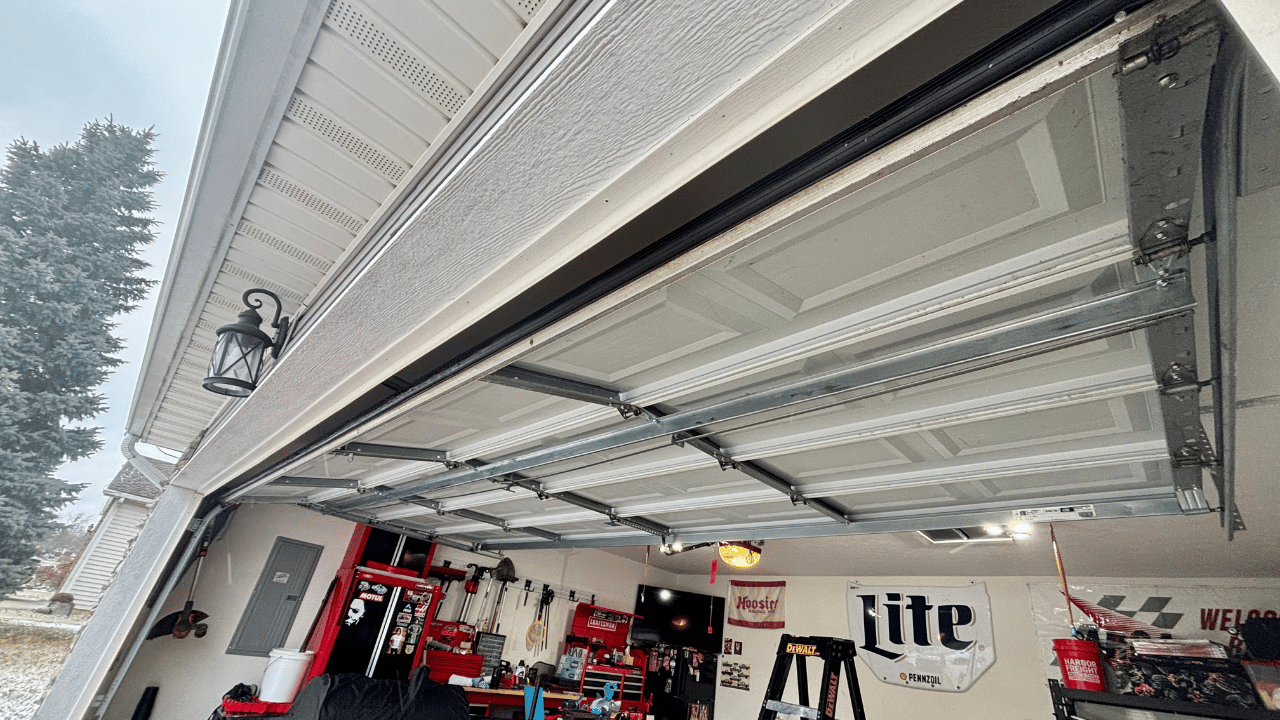
Garage door insulation plays a crucial role in enhancing energy efficiency and comfort within a home. By effectively insulating your garage door, you can minimize heat loss during winter and keep the space cooler in summer, leading to a more stable indoor climate. This article will explore various methods to improve garage door insulation, focusing on cost-effective solutions, optimal materials, and installation techniques. Homeowners often overlook the garage as a significant source of energy loss, but with the right insulation strategies, you can significantly reduce energy bills and enhance overall comfort. We will cover the best insulated garage doors, potential savings, and maintenance tips to ensure longevity.
Cost-Effective Solutions
Improving garage door insulation can be achieved through several cost-effective solutions that enhance energy efficiency. Here are some effective methods:
Insulated Garage Doors: These doors are designed with built-in insulation, providing superior thermal performance compared to standard doors.
Weather Stripping: Adding weather stripping around the edges of the garage door helps seal gaps, preventing drafts and heat loss.
Energy-Efficient Materials: Utilizing materials with high R-values, such as polystyrene or polyurethane, can significantly improve insulation effectiveness.
For homeowners in Indiana and Ohio, PJ's Doors offers a range of insulated garage doors that can help enhance energy efficiency while providing durability and style.
Best Insulated Garage Doors
When selecting an insulated garage door, it's essential to consider the R-value, which measures the door's thermal resistance. Here are some recommended brands known for their quality insulated garage doors:
Clopay: Offers a variety of insulated steel doors with high R-values, ideal for extreme weather conditions.
Amarr: Known for their energy-efficient garage doors that combine style and insulation.
Wayne Dalton: Provides a range of insulated options, including fiberglass and steel doors, suitable for various home styles.
Choosing the right insulated garage door can lead to significant energy savings and improved comfort in your home.
Optimal Insulation Materials
The choice of insulation material is critical for maximizing the effectiveness of your garage door insulation. Here are some of the best materials to consider:
Foam Insulation: Rigid foam boards provide excellent thermal resistance and are easy to install.
Composite Materials: These materials combine different types of insulation to enhance performance and durability.
Using high-quality insulation materials not only improves energy efficiency but also contributes to the longevity of your garage door.
Installation Techniques
Proper installation techniques are essential for ensuring that your garage door insulation performs effectively. Here are some key methods to consider:
Professional Installation: Hiring a professional ensures that the insulation is installed correctly, maximizing its effectiveness.
Sealing Gaps: Make sure to seal any gaps or cracks around the garage door frame to prevent air leaks.
By following these installation techniques, you can enhance the performance of your garage door insulation and achieve better energy efficiency.
Potential Savings
Investing in garage door insulation can lead to substantial savings on energy bills. Homeowners can expect to see a reduction in heating and cooling costs, especially in regions with extreme temperatures. The initial investment in insulation can often be recouped within a few years through lower energy expenses.
How Much Does Garage Door Insulation Cost and What Are the Savings?
The cost of garage door insulation varies based on the type of insulation and the size of the door. On average, homeowners can expect to pay between $600 and $1,500 for insulated garage doors, including installation. The savings on energy bills can range from 10% to 20%, depending on the home's overall energy efficiency and local climate conditions.
What Factors Influence Garage Door Insulation Pricing?
Several factors can influence the pricing of garage door insulation, including:
Material Quality: Higher-quality materials typically come with a higher price tag but offer better insulation.
Installation Complexity: More complex installations may require additional labor costs.
Understanding these factors can help homeowners make informed decisions when selecting insulation options.
How to Calculate Energy Savings from Insulated Garage Doors?
To calculate potential energy savings from insulated garage doors, homeowners can consider the following steps:
Determine Current Energy Costs: Review past energy bills to establish a baseline.
Estimate Savings: Use the average percentage savings (10%-20%) to project future savings based on the new insulation.
This calculation can help homeowners understand the financial benefits of investing in garage door insulation.
What Is the Garage Door Insulation Installation Process?
The installation process for garage door insulation typically involves several steps:
Preparation: Clear the area around the garage door and gather necessary materials.
Measurement: Measure the door to ensure proper insulation fit.
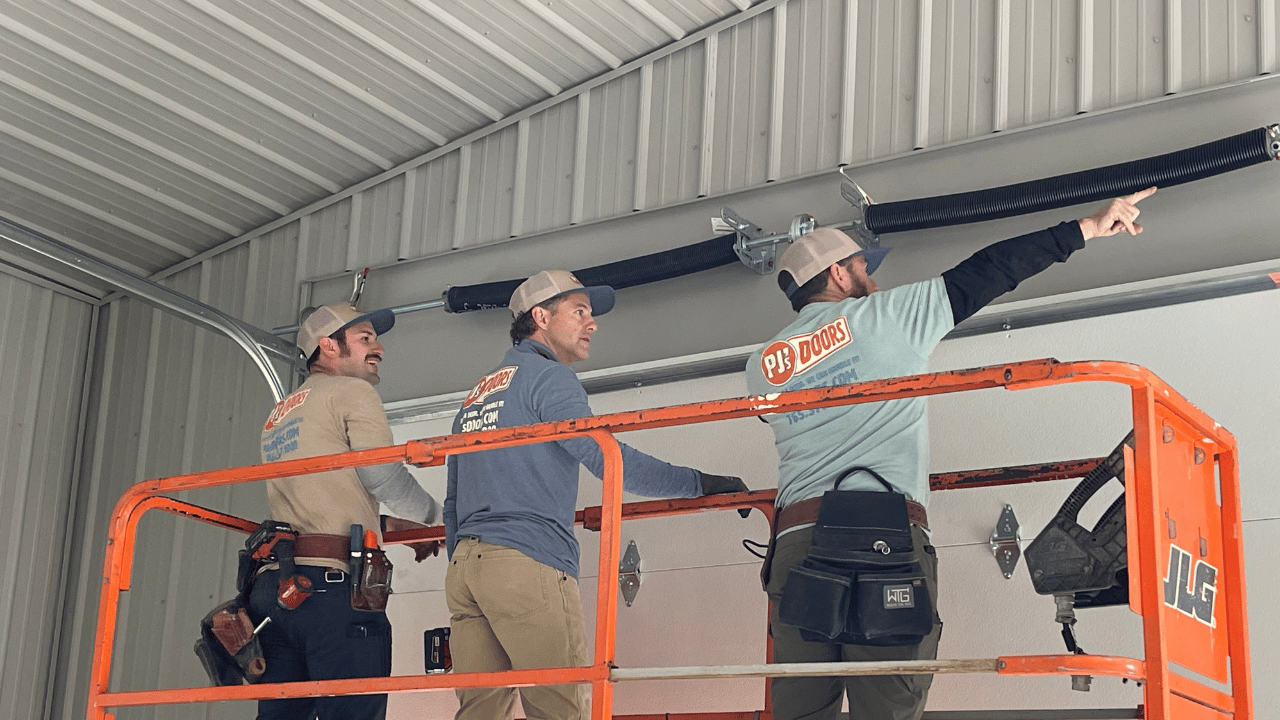
Installation: Install the insulation panels, ensuring they are securely attached and sealed. For those who prefer a professional touch, PJ's Doors offers expert installation services to ensure optimal results.
How Do Weather Seals Complement Garage Door Insulation?
Weather seals play a vital role in enhancing the effectiveness of garage door insulation. They help to:
Prevent Air Leaks: Sealing gaps around the door prevents drafts and heat loss.
Enhance Energy Efficiency: By working in conjunction with insulation, weather seals improve overall energy performance.
Incorporating weather seals into your garage door insulation strategy can lead to even greater energy savings.
How to Maintain and Repair Insulated Garage Doors for Longevity?
To ensure the longevity of insulated garage doors, regular maintenance is essential. Here are some tips:
Regular Inspections: Check for signs of wear or damage to the insulation and seals.
Lubrication: Keep moving parts lubricated to prevent wear and tear.
By following these maintenance tips, homeowners can extend the life of their insulated garage doors and maintain energy efficiency.
When Should You Schedule Garage Door Repairs Related to Insulation?
Homeowners should schedule garage door repairs related to insulation when they notice:
Increased Energy Bills: A sudden spike in energy costs may indicate insulation issues.
Visible Damage: Cracks or gaps in the insulation or door frame should be addressed promptly.
Timely repairs can prevent further energy loss and maintain the comfort of your home.
Ready to Upgrade Your Garage Door Insulation?
Proper garage door insulation is a smart investment that enhances your home's energy efficiency and comfort while reducing utility costs. By choosing the right materials, installation methods, and maintenance practices, you can enjoy a more stable indoor environment year-round. Don't overlook the impact your garage door can have on your home's overall energy performance.
Contact PJ's Doors today to explore high-quality insulated garage doors and professional installation services tailored to your needs. Improve your home's comfort and save on energy bills now!
