
Top Preventive Tips for Garage Door Maintenance
Proper, routine maintenance preserves a garage door’s reliability and safety, reduces repair costs, and improves security. This guide summarises inspection intervals, key safety checks, and component-specific best practices to minimise failures and keep doors performing well.
The value of regular inspection and preventative repair for overhead doors is well established.
Overhead Door Inspection, Maintenance & Preventative Repair
Inspection of overhead doors, parts supply, maintenance and repair, and preventative procedures where applicable; includes installation, inspection, maintenance, and repair of doors and windows under annual contract arrangements, 2016.
How Often Should You Perform Garage Door Maintenance?
Perform basic checks monthly and a comprehensive inspection at least once a year; increase frequency for heavy use or commercial systems. Regular checks help catch wear early and prevent operational failures.
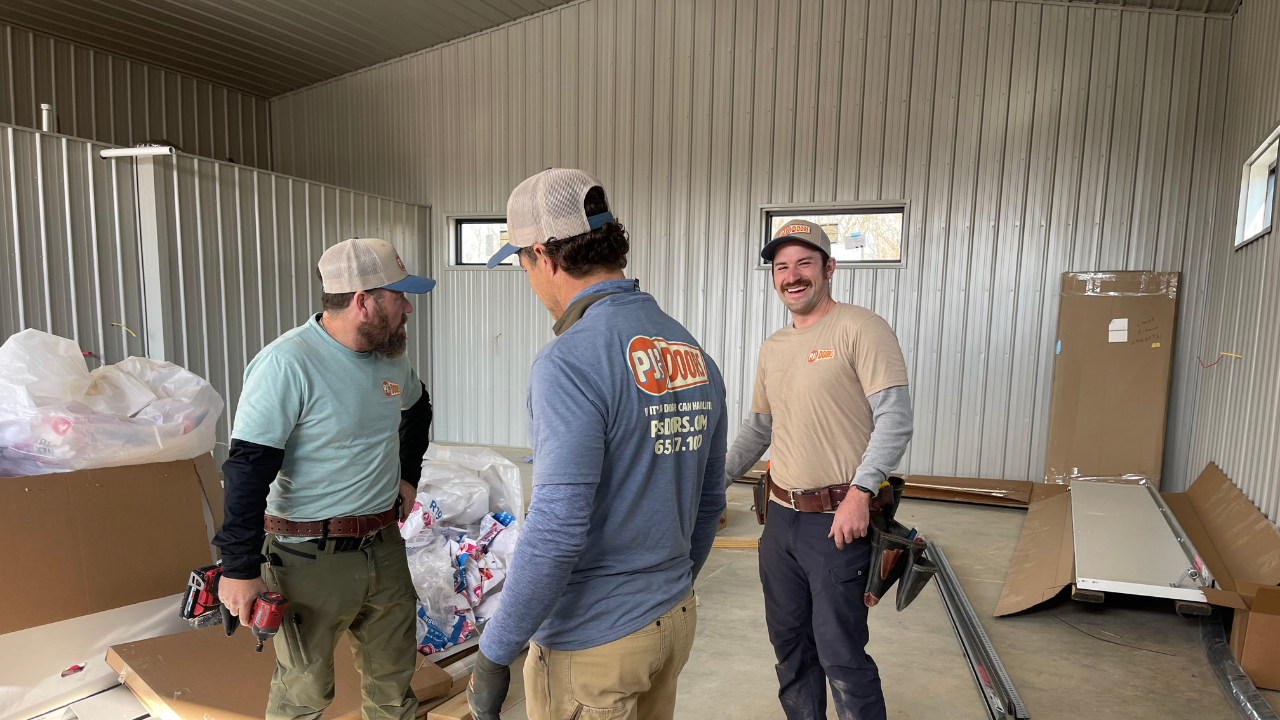
For professional maintenance programs, PJ's Doorsoffers tailored plans and certified inspections to maintain operational reliability and improve safety.
Establishing a formal preventive maintenance programme supports long-term efficiency and consistent operation.
Garage Preventive Maintenance Programs & Servicing
Maintenance programmes implemented to meet expansion plans emphasised scheduled servicing and component exchange when repair was required; A Garage Set Up for Production Line Preventive Maintenance, 1951.
Recommended Maintenance Frequency for Garage Doors and Openers
Follow recommended service intervals to reduce unexpected failures and keep performance consistent. Use the guidelines below as a baseline and adjust for usage and environment.
Annual Inspections: One comprehensive check per year for residential doors.
Biannual Maintenance: At least twice a year for commercial doors.
Monthly Checks: For high-use doors, perform basic monthly checks.
What Are the Essential Garage Door Safety Checks?
Safety inspections identify hazards and verify that safety systems work correctly. Focus checks on mechanical condition, sensors, and auto-reverse features.
Monthly Inspections: Verify hardware, rollers, and tracks for visible wear.
Automatic Reverse Mechanism Testing: Confirm the door reverses when obstructed.
Regular Cleaning of Photo Eye Sensors: Keep sensors free of dirt and alignment issues.
These routine checks reduce accident risk and support reliable operation.
Implementing structured maintenance procedures is an established method for minimising accidents and ensuring safety.
Effective Maintenance Procedures for Accident Prevention
Research has proposed maintenance procedures and standards designed to minimise frequent incidents; Prevention of accidents through effective and efficient maintenance and repair work in various garages in Accra, 2013.
Inspect springs, cables, and tracks for corrosion, fraying, deformation, or misalignment. Disconnect power before working near the opener. Manually lift the door to check balance—the door should hold position without assistance—and clear track debris.
Routine checks limit major malfunctions. For professional garage door repair services, contact qualified technicians to address defects safely.
How Do You Maintain Garage Door Springs and Cables Effectively?
Proper care of springs and cables is critical for safe, reliable operation. Use scheduled inspections and lubrication to extend component life.
Monthly Visual Inspections: Look for wear, rust, or fraying.
Quarterly Lubrication: Lightly lubricate springs and cables every three months.
Annual Professional Tune-Ups: Have a technician assess tension and safety components yearly.
Use silicone-based lubricants to resist dirt buildup and perform a diagnostic inspection annually to catch issues early.
For upgrades or replacements, review options for garage door installationto improve function and appearance.
What Are Best Practices for Garage Door Opener Troubleshooting and Maintenance?

Opener upkeep is as important as door maintenance. Keep electronics, safety sensors, and moving parts in good condition.
Regular Inspections for Wear: Check belts, chains, and mounts.
Lubrication of Moving Parts: Lubricate gears and pivot points per manufacturer guidance.
Testing Safety Features Regularly: Test auto-reverse and sensor alignment monthly.
Verify power, remote responsiveness, and sensor alignment. Establish a maintenance schedule to spot problems before they escalate.
For details on garage door openersand services, consult the provider.
Frequently Asked Questions
What types of garage doors require different maintenance approaches?
Sectional, roller, and tilt-up doors have different needs: lubricate hinges and rollers on sectional doors; clean and align tracks on roller doors; check pivot points and springs on tilt-up doors.
How can I tell if my garage door opener is functioning properly?
Test safety features (auto-reverse), listen for unusual noises, check remote response, and ensure sensors are aligned; consult a professional for persistent issues.
What should I do if I notice rust on my garage door?
Remove loose rust, apply a rust-inhibiting primer, and repaint with suitable exterior paint; inspect regularly in humid climates.
Are there any seasonal considerations for garage door maintenance?
In winter, check for ice and intact weatherstripping; in summer, watch for heat-related wear. Adjust lubrication and inspection frequency for extreme temperatures.
What are the risks of neglecting garage door maintenance?
Neglect increases wear, raises repair costs, can create safety hazards, and may compromise security; regular maintenance mitigates these risks.
How can I find a reliable garage door maintenance service?
Seek recommendations, read reviews, and confirm the provider is licensed and insured; compare quotes and experience with your door type.
What are the signs that my garage door needs maintenance?
Look for increased noise, slow or erratic movement, visible wear on springs or cables, incomplete travel, or unexpected reversals—these indicate service is needed.
Can I perform garage door maintenance myself, or should I hire a professional?
Homeowners can do visual checks, cleaning, and basic lubrication. Leave spring replacement, electrical diagnostics, and high-tension adjustments to qualified professionals.
How can I improve the lifespan of my garage door?
Follow a maintenance schedule, keep springs, cables, and tracks in good condition, avoid overloading, and use quality components with professional installation.
What should I do if my garage door won't open or close?
Check power to the opener, test remote batteries, and inspect sensors for obstructions; contact a technician if basic checks do not resolve the issue.
Are there any specific tools I need for garage door maintenance?
Basic tools include a ladder, socket-wrench set, screwdrivers, lubricant spray, a level, and a clean cloth. Use specialised tools only if trained or consult a professional.
How can I ensure the safety of my garage door?
Test auto-reverse, clean and align photo-eye sensors, and keep clear of the door during operation; educate household members about safe practices.
What are the benefits of professional garage door maintenance services?
Professionals provide thorough inspections, specialised tools, and safe repairs, improving performance, extending equipment life, and ensuring safety compliance.
Conclusion
Routine garage door maintenance preserves safety, reliability, and longevity. Regular inspections and prompt repairs reduce costs and maintain performance.
Adhere to a maintenance schedule, use proper lubricants, and consult qualified professionals for complex tasks to keep your garage door functioning safely and reliably.
