
Commercial Garage Door Maintenance: Keep Your Business Doors Moving
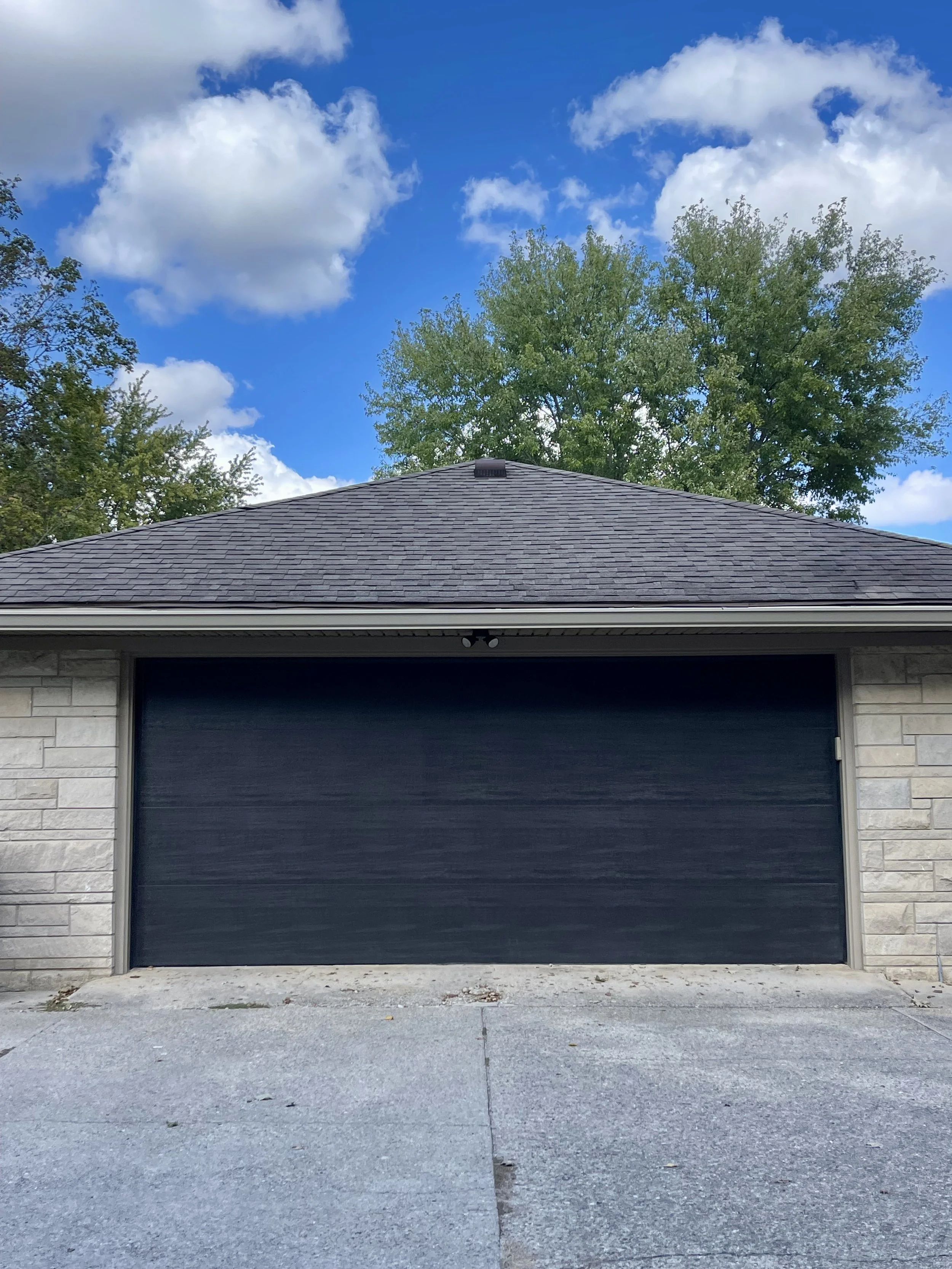
For a business, a garage door that fails is not an inconvenience, it is lost hours. A dock door that will not open holds up a delivery. A bay door stuck halfway shuts down a service lane. The fix is almost always cheaper and faster when it is scheduled maintenance instead of an emergency call in the middle of a workday. That is the whole case for a commercial garage door maintenance plan, and it is one of the smartest, lowest-cost protections a business with commercial door solutions can put in place.
Commercial doors work far harder than the one on your house. A residential door might cycle three or four times a day. A busy loading dock or repair bay can cycle dozens of times, day after day, and that volume wears out parts on a schedule you can actually plan around. Maintenance is how you get ahead of it.
Why commercial doors need their own maintenance schedule
The difference between a home door and a commercial door comes down to duty cycle and stakes. A commercial roll-up, sectional, or high-speed door sees heavy daily use, often in a dusty, cold, or high-traffic environment, and when it goes down it takes part of your operation with it.
A few things wear faster on commercial doors than most owners expect:
Springs. They are rated for a set number of cycles. On a high-use door, that rating gets used up in a year or two, not a decade.
Rollers, bearings, and hinges. Constant use grinds them down, and a dry or worn one adds drag that strains the motor.
The opener or operator. Commercial operators are built tough, but they are also asked to do far more, and heat and dust take a toll.
Safety systems. Photo eyes, auto-reverse, and sensing edges have to work every single time. On a door the public or your staff walk under, that is not optional.
What a commercial maintenance visit covers
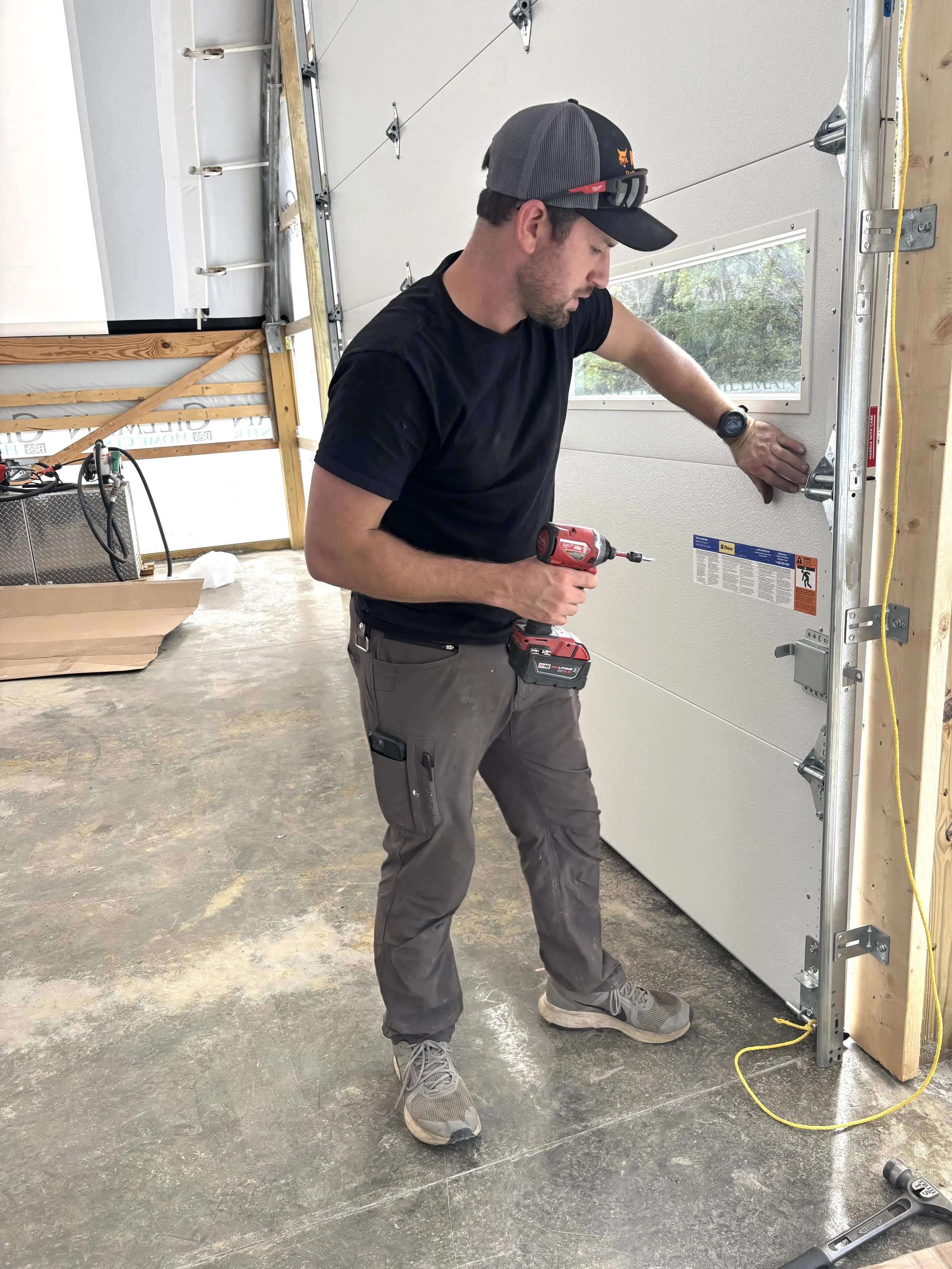
A proper commercial tune-up is more thorough than a residential one because there is more riding on it. When we service a business door, we work through the whole system:
Inspect and test the springs, cables, and their mounting for wear and fatigue
Check and lubricate rollers, bearings, hinges, and the track
Test the operator, chain or belt, and limit and force settings
Verify every safety feature: photo eyes, auto-reverse, and any sensing edge
Tighten hardware loosened by constant cycling and vibration
Check the weather seals and bottom seal that keep your building sealed
Run the door through full cycles and give you a written summary of its condition
The written summary matters for a business. It tells you what is fine, what to watch, and what needs attention before it fails, so you can budget for a part on your schedule instead of paying emergency rates on the door's schedule. Our approach here is the same honest, plain-English one we bring to residential garage door maintenance, just scaled up to the doors your business runs on.
How often should commercial doors be serviced?
It depends on how hard the door works:
Light use (a door that cycles a few times a day): once or twice a year.
Moderate use (a typical shop or small warehouse): quarterly.
Heavy use (a busy dock, a car wash, a high-cycle bay): monthly or on a set schedule we build around your volume.
The honest rule of thumb: the more the door moves and the more it costs you when it stops, the more often it should be checked. A door on a critical loading dock earns a maintenance plan quickly, because one prevented breakdown usually pays for a year of visits.
Maintenance versus the emergency call
Here is the math every operations manager already knows. An emergency repair means paying a premium, waiting for a truck, and eating the downtime while a bay or dock sits dead. Scheduled maintenance means the same parts get replaced during planned time, at planned cost, before they strand you. We see the pattern constantly on commercial doors around Richmond and the surrounding Indiana and Ohio areas: the businesses on a maintenance plan almost never make the panicked call, and the ones without a plan almost always do. For a deeper look at keeping business doors dependable, our post on business garage door service for smooth operations is a good next read, and if you run roll-ups, so is our guide to roll-up doors for Indiana businesses.
Set up a plan before the busy season
The best time to get a commercial door on a maintenance schedule is before winter, when cold-stiffened parts expose every weak point, and before your busy stretch, when downtime hurts most. PJ's Doors builds commercial maintenance around your door count, your usage, and your schedule, and our trained, licensed, and insured technicians handle everything from a single overhead door to a full bank of dock doors. Call us at 765-377-1000 or schedule a visit and we will walk your doors, tell you honestly what they need, and set a cadence that keeps your business moving.
Frequently asked questions
How often should a commercial garage door be serviced? It depends on use. Light-use doors do fine with one or two visits a year, moderate-use doors are best on a quarterly schedule, and heavy-use doors on a busy dock or bay should be checked monthly or on a set plan built around their cycle volume.
What does commercial garage door maintenance include? A full inspection and test of springs, cables, rollers, bearings, hinges, and tracks, lubrication of the moving parts, an operator and safety-system check, hardware tightening, a weather-seal check, and a written summary of the door's condition.
Is a maintenance plan worth it for one door? Often yes, if that door is critical to your operation. A single prevented breakdown on a loading dock or service bay usually costs more in downtime than a year of scheduled visits.
Do you service roll-up, sectional, and high-speed doors? Yes. We maintain and repair all common commercial door types, including roll-up, sectional, and high-speed doors, across Richmond and the surrounding Indiana and Ohio areas.
Can you service our doors outside business hours? We work with businesses to schedule maintenance around operations so the visit does not interrupt your day. Call 765-377-1000 to set it up.