
Why Your Garage Door Won't Close (and How to Fix It)
When a garage door starts down and then reverses, or will not move at all, the cause is almost always one of a handful of simple things, and the most common by far is the safety sensors. Before you assume the worst about your opener, there is a quick check you can do in under a minute. If that does not solve it, the next likely culprits are the track, the remote, or the opener's own settings. Here is how to work through it, and when it is time to call for garage door repair instead of fighting it.
Start here: the safety sensors
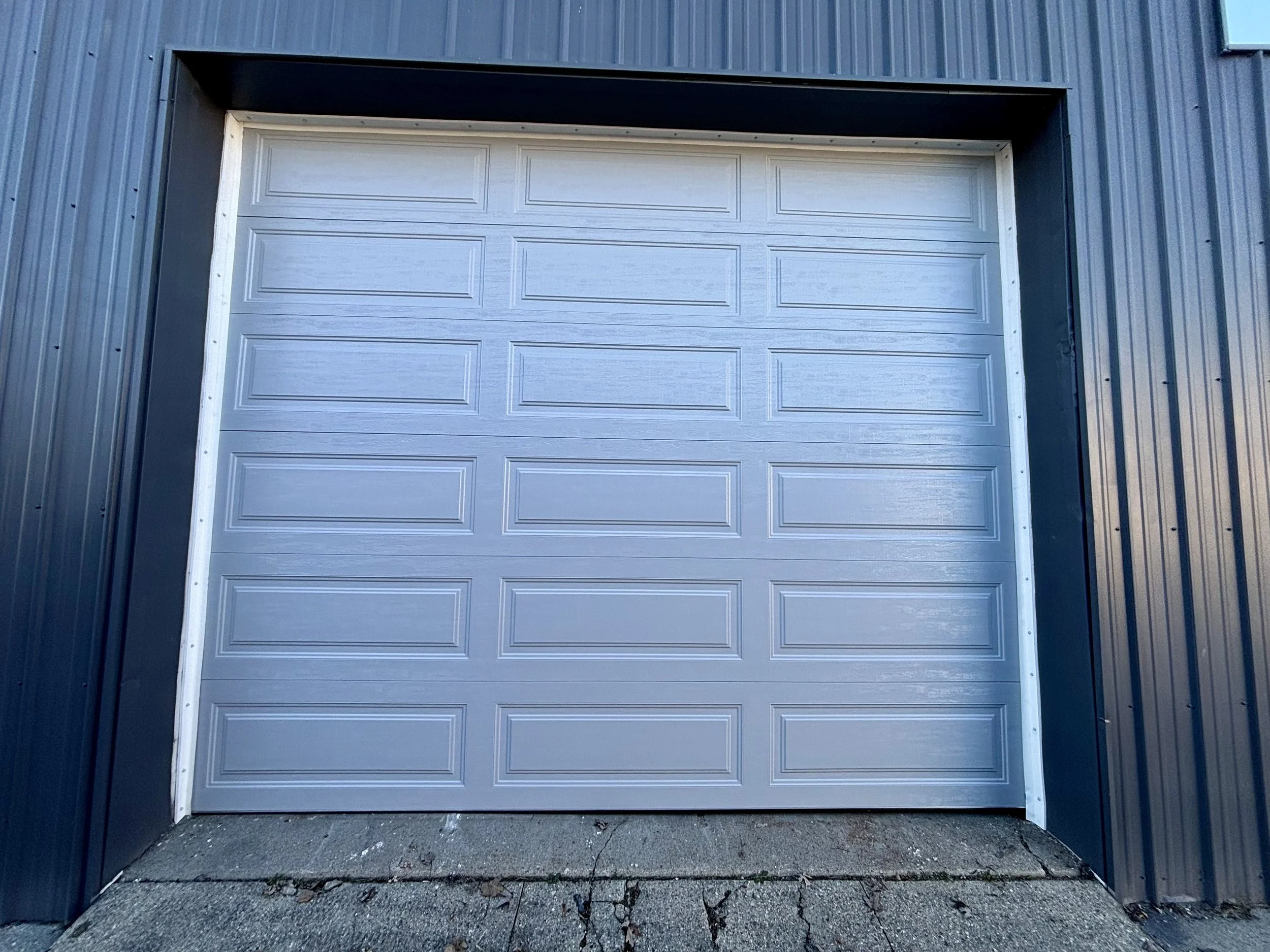
Near the bottom of the door, about six inches off the floor, you have two small sensors facing each other across the opening, the photo eyes. They shoot an invisible beam between them. If anything breaks that beam, the door refuses to close. That is a safety feature doing its job, and it is the reason behind most "won't close" calls.
Walk through this first:
Look for a blocked beam. A trash can, a bike, a stray leaf, even a coiled hose can sit just inside the path. Clear anything near the bottom of the opening.
Wipe the lenses. Dust, cobwebs, or frost on the little lenses can break the beam. A soft dry cloth usually does it.
Check the lights. Most sensors have a small LED on each side. If one is off or blinking, they are out of alignment.
Nudge them back into line. A bumped sensor is incredibly common. Gently adjust one until both lights glow steady. When the beam connects, the door will usually close again.
If the door closes only when you hold the wall button down the whole way, that is the classic sign the sensors are misaligned or blocked. The opener is forcing past a feature it normally respects.
If the sensors are fine, check these next
The door reverses partway down
If the door closes most of the way and then backs up, the opener's close-force or travel setting may be off, or something on the track is stopping the door and the opener reads it as an obstacle. Look for a bent track, a stone, or a roller that has jumped its groove. A door that binds on the track is a real safety issue, not just an annoyance, and we explain why in our post on garage door track repair.
Nothing happens when you press the remote
If the door is dead to the remote but the wall button works, it is usually the remote, not the door. Try fresh batteries first, then reprogram the remote to the opener. If neither the remote nor the wall button does anything, check that the opener still has power and that the manual-lock or vacation switch on the wall control is not engaged.
The door closes then immediately reopens
This is almost always the sensors or the close-limit setting. The opener thinks the door hit something. Re-check the photo eyes first, then the travel limits.
For a broader rundown of the issues that send doors to the shop, our guide to common garage door problems is a good next read.
When to stop and call a pro
Some things are worth doing yourself. Others are not worth the risk. Call us if:
The sensors are clean and aligned and the door still will not close.
You see a bent track, a frayed cable, or a gap in the spring above the door. Springs and cables are under enormous tension and are not a DIY fix.
The opener grinds, hums, or trips the breaker.
The door is off its track or hanging crooked.
Around Richmond we see a spike in these calls every winter, when cold stiffens the grease, contracts the metal, and throws sensor alignment off. A door that worked fine in October starts acting up the first hard freeze. If that is you, it is usually a quick fix for a tech and a frustrating afternoon for a homeowner.
When you would rather just have it handled, schedule a free estimate or call 765-377-1000. You will talk to a real person, and we offer same-day service for most repairs. If the trouble traces back to the opener itself, we can walk you through repair or replacement options without the pressure.
Frequently asked questions
How do I fix a garage door that won't close? Start with the safety sensors near the floor. Clear anything blocking the beam, wipe the lenses, and make sure both indicator lights glow steady. Realign a bumped sensor until the lights are solid. That solves most "won't close" problems.
Why won't my garage door close when there's nothing in the way? The photo-eye sensors are likely misaligned or dirty rather than truly blocked. A bumped sensor, a dusty lens, or frost can break the beam and stop the door even when the opening looks clear.
How do I reset the sensors on my garage door? Gently adjust one sensor until both LED lights glow steady, which means the beam is connected. If they will not hold alignment, the bracket may be loose or the wiring damaged, and that is worth a service call.
Why does my garage door close then reopen right away? The opener thinks it hit an obstacle. Re-check the safety sensors first, then look for anything binding on the track. If both are clear, the close-force or travel limit setting needs adjusting.
Is it safe to keep using a door that won't close properly? Not for long. A door that will not close leaves your home exposed, and a door that binds or reverses can signal a track, cable, or spring problem that gets worse and more dangerous over time. Have it looked at promptly.