
Expert Commercial Roll-Up Door Installation in Richmond, IN
Commercial roll‑up door installation in Richmond, IN gives warehouses, storefronts, manufacturing floors, and loading docks a secure, space‑smart way to manage access. These doors combine heavy‑duty construction with vertical operation to save room and stand up to daily use. This guide covers the main commercial roll‑up door types, the security and durability features to look for, and the operational benefits you’ll get from correct installation and regular maintenance. Many property managers and business owners struggle with theft, tight clearances, and climate control losses - the right roll‑up system addresses those issues while improving throughput and helping you meet code. Below we walk through the installation process, compare overhead coiling, sectional, high‑speed, and fire‑rated doors, and explain what to expect from a professional installer. You’ll also find our service area, how to request a free commercial roll‑up door estimate, and straightforward answers to common questions Richmond businesses ask. Industry terms you’ll see here - overhead coiling doors, industrial roll‑up doors, high‑speed doors, fire‑rated doors - are used to make your buying decision easier.
TL;DR
Commercial roll-up doors provide secure, space-saving access for Richmond businesses.
They offer heavy-duty construction and vertical operation for durability and efficiency.
This guide covers various door types, security features, and operational benefits.
Learn how these doors address common issues like theft, tight clearances, and climate control.
We detail the installation process, compare door types, and explain how to get a free estimate.
Why Choose Commercial Roll-Up Doors for Your Richmond Business?
Commercial roll‑up doors are purpose‑built systems that secure openings by rolling slats or panels vertically into a tight coil, giving you durability, security, and smart use of space. The main components - slats or panels, guides and tracks, counterbalance systems, and a motorized opener - live in a compact footprint, so you avoid obstructions in busy loading areas and keep traffic moving. The payoff is more uptime, lower long‑term maintenance costs, and better control over interior temperatures for energy savings. For Richmond operations where security and throughput matter, these doors reduce door‑related delays and limit exposure to theft and weather.
Commercial roll‑up doors deliver several practical advantages:
Security and access control: Heavy‑gauge steel slats and locking options help stop unauthorized entry.
Operational efficiency: Vertical travel clears pathways and speeds cycles for frequent use.
Longevity and resilience: Corrosion‑resistant coatings and reinforced parts reduce downtime.
Energy and climate control: Insulated models improve thermal performance and lower utility bills.
Those benefits lead naturally into the security and durability features you should consider.
What Security and Durability Features Do Commercial Roll-Up Doors Offer?
Most commercial roll‑up doors use heavy‑gauge steel or aluminum slats with reinforced endlocks and full‑height guides to resist forced entry and deliver long service life. Manufacturers apply coatings and materials rated for corrosion and weather exposure, and you can add locks or security grilles for storefronts or back‑of‑house openings. Sturdy counterbalance systems and high‑cycle motorized operators reduce mechanical strain and extend the time between repairs. Regular maintenance - lubrication, spring and guide inspection, and sensor testing - keeps everything reliable. Knowing these parts helps you plan maintenance and choose models that balance upfront cost with lifecycle value.
How Do Space-Saving Designs Improve Business Efficiency?
Space‑saving roll‑up doors free floor and ceiling space that swinging or sectional panels would otherwise use, letting you tighten dock layouts and keep walkways clear. That vertical footprint cuts the chance of collisions with forklifts and trucks, improving safety and throughput in busy facilities. High‑speed options reduce the amount of time doors stay open, which speeds loading cycles and helps preserve conditioned air in climate‑sensitive areas. Reclaiming usable square footage and shortening cycle times often leads to measurable productivity gains and fewer accidental damages to equipment or inventory.
Next we list the common door types available to Richmond businesses and what each does best.
What Types of Commercial Roll-Up Doors Are Available in Richmond, IN?
Commercial roll‑up door solutions range from overhead coiling doors to insulated sectional units, high‑speed fabric systems, and fire‑rated assemblies - each tailored to different operational needs. Overhead coiling doors use interlocking slats wound on a drum for compact storage above the opening, while sectional doors use hinged insulated panels that fold into the ceiling space. High‑speed doors focus on quick cycles and climate control, and fire‑rated roll‑up doors meet life‑safety code requirements for compartmentalization. Your choice depends on how the opening is used, required insulation, expected cycles, and any regulatory demands.
Overhead coiling doors are compact and repairable - a good fit where headroom is tight.
Sectional roll‑up doors give strong insulation and tight seals for temperature‑controlled spaces.
High‑speed doors cut air exchange and speed traffic in high‑frequency applications.
Next we compare overhead coiling and sectional systems in practical terms to help you decide.
What Are Overhead Coiling and Sectional Roll-Up Doors?
Overhead coiling doors use interlocking slats that wrap around a drum, creating a very small storage footprint and making repairs simpler when individual slats are damaged. Sectional roll‑up doors are built from insulated hinged panels that track up under the ceiling, offering better thermal performance and tighter seals for conditioned spaces. Overhead coils are usually quicker and cheaper to repair and work well where headroom is limited; sectional doors are the go‑to when insulation and weatherproofing are priorities. Costs vary by material and insulation level - sectional insulated doors often cost more up front but save energy over time.
How Do High-Speed and Fire-Rated Roll-Up Doors Serve Different Industries?
High‑speed roll‑up doors are built for fast cycles and minimal open time, which benefits cold storage, food processing, and busy docks by reducing air infiltration and improving throughput. They typically use flexible or fabric materials with fast drives and soft‑edge safety features to withstand frequent use. Fire‑rated roll‑up doors use fire‑resistant materials and certified assemblies that close automatically during alarm conditions to preserve compartmentation and life‑safety compliance. Choose high‑speed for process efficiency and fire‑rated when code or insurance requires compartmentation and automatic closure.
With those use cases in mind, here’s how a professional installer brings a safe, code‑compliant system into service.
How Does PJ's Doors Ensure Professional Commercial Roll-Up Door Installation?
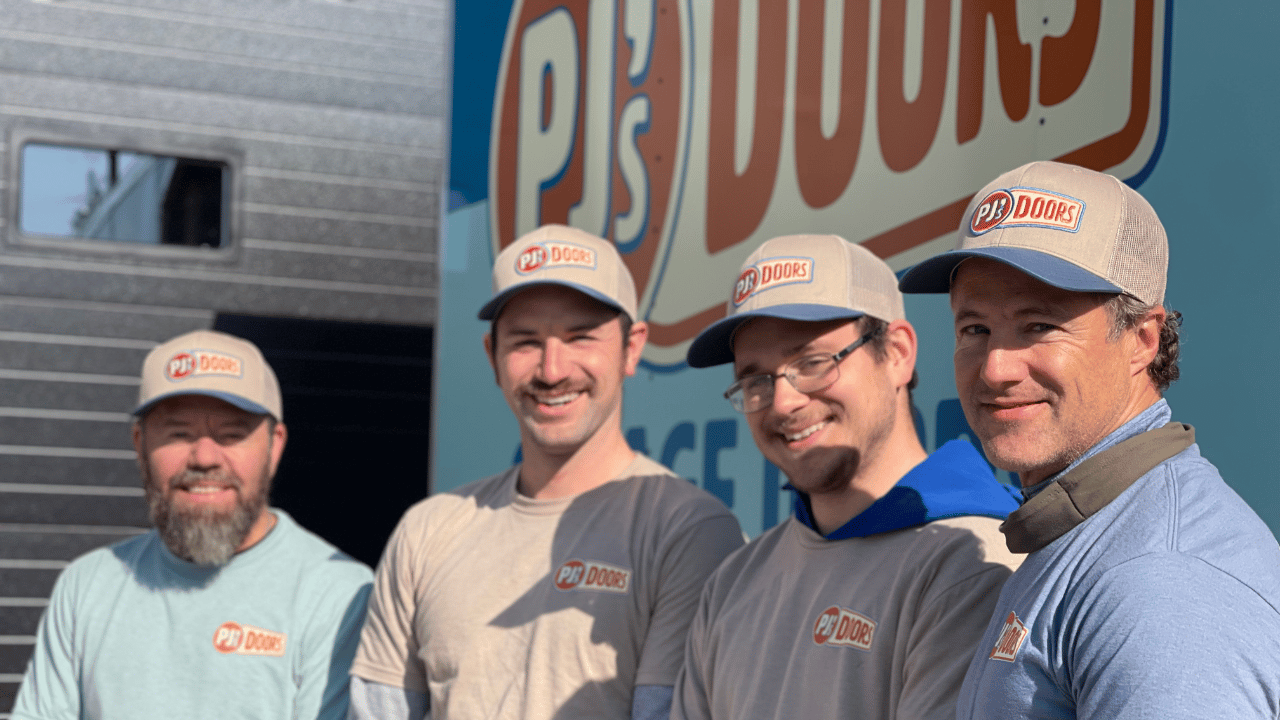
PJ's Doors installs commercial roll‑up doors using a clear, repeatable process: on‑site consultation, accurate measurement and specification, sourcing or custom fabrication, professional installation, and final testing and handover. That workflow helps us match the right system - overhead coiling, sectional, high‑speed, or fire‑rated - to your needs and local codes. We focus on quality workmanship, transparent pricing, and a smooth customer experience. Our technicians run safety checks and commissioning so your door performs reliably from day one. The sections below break down the consultation and installation steps.
Consultation & site assessment: Inspect the opening, take precise measurements, and confirm how the door will be used.
Selection & sourcing: Recommend materials and brands that fit performance needs and budget.
Installation & testing: Install guides, motor, and controls; perform safety and cycle testing.
What Is the Consultation and Site Assessment Process?

Our consultation starts with an on‑site measurement and a walkthrough to learn how the opening is used day to day - traffic patterns, vehicle sizes, and environmental needs. We record structural constraints, headroom, side room, and electrical requirements before recommending door types, insulation levels, and safety options. We discuss choices openly and provide an upfront estimate based on observed specs, so you can compare overhead coiling, sectional, and high‑speed options. Telling us about your priorities before the visit speeds the quoting process and reduces follow‑ups.
How Is Custom Fabrication and Expert Installation Performed?
Whether we order a standard assembly or arrange custom fabrication, the goal is a door that fits measured tolerances and meets performance expectations. Installers set guides and tracks, mount counterbalance systems and the motorized opener, align slats or panels, and integrate safety sensors and controls. We complete a formal safety checklist - auto‑reverse, photo‑eyes, edge sensors, and manual releases - before commissioning. Final handover includes operator training, warranty documentation, and recommended preventive maintenance steps.
Which Areas in Indiana and Ohio Does PJ's Doors Serve for Commercial Roll-Up Door Installation?
PJ's Doors serves Richmond, IN and a group of nearby Indiana and Ohio communities, giving local coverage that supports faster response times, familiarity with regional codes, and easier scheduling for installs and repairs. Being local reduces travel delays for installations and emergency service - important for businesses that can’t afford long downtime. Knowing our coverage area helps you plan lead times and escalation for after‑hours service. The list below shows the cities we regularly serve.
Richmond, IN
Muncie, IN
Connersville, IN
New Castle, IN
Knightstown, IN
Greenfield, IN
Anderson, IN
Pendleton, IN
Rushville, IN
Hagerstown, IN
Cambridge City, IN
Oxford, OH
What Cities and Regions Are Covered by Our Commercial Door Services?
Our service area centers on Richmond and nearby Indiana towns, with select coverage into Ohio, so we can schedule installations and maintenance with sensible lead times across the region. Outlying projects sometimes need extra coordination, but our core cities get the quickest site visits, repairs, and preventive maintenance service. This regional footprint keeps service consistent and simplifies warranty follow‑up. Local familiarity also helps us coordinate with building departments and inspectors when required.
How Does Local Expertise Benefit Richmond Businesses?
Working with a local installer means faster on‑site response for emergency repairs and easier scheduling for routine maintenance, which limits business interruption when doors fail. Local technicians know municipal code quirks, common site limitations, and the types of delivery vehicles used in the area - that leads to more accurate specifications and smoother inspections. Quicker communication and convenient follow‑ups make preventive maintenance plans practical, and local references let you see real examples of our work. Those benefits add up to less downtime and a smoother install‑to‑commissioning experience.
How Can Richmond Businesses Get a Free Estimate for Commercial Roll-Up Door Installation?
Richmond businesses can request a free estimate that usually includes an on‑site measurement, scope recommendations, and an itemized cost and timeline tailored to the chosen door installation type and options. The process starts with scheduling a site visit so an assessor can document opening dimensions, usage patterns, and any electrical or structural needs, then delivers a transparent quote comparing recommended models and timelines. You’ll typically see budget‑friendly standard assemblies and higher‑performance insulated or high‑speed alternatives.
What Is Included in the Free Commercial Roll-Up Door Installation Estimate?
The free estimate includes precise on‑site measurements, recommended door types and materials, and an itemized cost breakdown separating hardware, labor, and optional upgrades like insulation or high‑speed drives. We also provide an estimated timeline from order to commissioning and suggest a maintenance plan with service intervals to help preserve warranty coverage. When applicable, we include notes on code or fire‑rating requirements so you can budget for compliance. This comprehensive quote makes it easy to compare functional and financial tradeoffs before you decide.
How to Schedule a Consultation with PJ's Doors?
To schedule a consultation, share basic site details - opening measurements if you have them, typical usage patterns, and any deadline constraints - so the assessor can prepare. Expect prompt, local service from a family‑owned company that works to minimize disruption during visits. Once the appointment is set, confirm access instructions and any active loading schedules to avoid conflicts during measurement. Clear pre‑visit info speeds the estimate and reduces the chance we need return visits.
Frequently Asked Questions
What are the benefits of high-speed roll-up doors compared to traditional options?
High‑speed roll‑up doors open and close much faster than standard doors, which cuts air exchange - important in cold storage or food processing - and reduces wait time for vehicles and staff. Their flexible materials and fast drives are designed for frequent cycles and include safety features that limit wear, so they’re a good fit where speed and efficiency matter most.
How do I maintain my commercial roll-up door for optimal performance?
Regular maintenance keeps commercial roll‑up doors working well. That means lubricating moving parts, checking springs and tracks for wear, and testing safety features like photo‑eyes. For most doors, schedule professional inspections twice a year; do quarterly checks for high‑cycle systems. Keep the door area clean and consider a preventive maintenance contract to reduce unexpected downtime.
What should I consider when choosing a roll-up door for my business?
When choosing a roll‑up door, think about intended use, how often it will operate, whether you need insulation, and your security needs. Check available headroom and side room, as these affect which door types will fit. Also consider local climate and any code requirements. A professional installer can advise on options that match your workflow and budget.
Are there any energy-saving options available for commercial roll-up doors?
Yes. Many commercial roll‑up doors offer insulated slats and tight seals to reduce heat transfer and lower HVAC costs. High‑speed doors also limit air exchange during frequent openings, which helps energy efficiency. Ask about insulation ratings and energy‑efficient designs when comparing models.
What are the typical lead times for commercial roll-up door installation?
Lead times vary by door type, customization, and installer workload. Standard assemblies can often be installed within days to a couple of weeks after order. Custom or fire‑rated doors may require longer fabrication times. Discuss timelines during the consultation to set realistic expectations for your project.
How do I ensure compliance with local building codes for roll-up doors?
Work with a professional installer familiar with regional regulations. During the consultation, review code requirements for fire ratings, safety features, and structural integrity. Obtain any necessary permits before installation - your installer should advise on compliance and help ensure the door meets local safety and inspection standards.
What Are the Different Types of Commercial Roll-Up Doors?
Commercial roll‑up doors include overhead coiling doors, sectional insulated doors, high‑speed fabric or vinyl doors, fire‑rated roll‑up doors, and security grilles or counter shutters. Each type suits different needs: compact storage and easy repair (overhead coiling), thermal efficiency (sectional insulated), fast throughput and climate separation (high‑speed), code‑driven compartmentation (fire‑rated), and storefront security (grilles). Your choice should reflect traffic frequency, insulation needs, and life‑safety obligations.
How Much Does Commercial Roll-Up Door Installation Cost?
Costs vary widely depending on door size, material, insulation level, automation options, and whether fire‑rating or custom fabrication is required. Key cost drivers include door dimensions, structural modifications, electrical work for operators, and any required safety interlocks or inspections. For an accurate budget, get an on‑site estimate that lists materials, labor, and recommended options so you can compare alternatives. Requesting our free estimate is the best way to get a tailored, itemized cost for your opening.
What Safety Features Are Important for Industrial Doors?
Important safety features include photo‑eye sensors and edge sensors that detect obstructions and trigger auto‑reverse, emergency manual releases, and clearly marked egress routes where code requires them. Other useful protections are motor current monitoring to spot abnormal loads, audible/visual warnings during movement, and redundant fail‑safes on fire‑rated doors. Regular inspections keep sensors and auto‑reverse systems working properly and help maintain compliance with OSHA and local codes.
How Often Should Commercial Garage Doors Be Serviced?
Service frequency depends on usage: high‑cycle doors benefit from quarterly checks, general commercial doors should get semi‑annual inspections, and an annual comprehensive service covers springs, rollers, tracks, and opener calibration. Typical service visits include lubrication, counterbalance tension checks, sensor cleaning and testing, and fastener torque inspections. Preventive maintenance agreements make it easier to keep a consistent service schedule and reduce emergency repairs.
This completes the FAQ content and ends the article.
Pick The Best Solution Now
Installing the right commercial roll‑up door in Richmond, IN improves security, speeds operations, and cuts energy waste. Understanding door types and their strengths helps you pick the solution that fits your workflow and budget. Ready to move forward? Request a free estimate to compare options and see how professional installation from PJ's Doors can improve your facility’s safety and performance.
