
What Garage Door Spring Repair Costs in 2026
A broken garage door spring is one of the few repairs where people genuinely have no reference point for what it should cost.
The door worked yesterday, it weighs two hundred pounds today, and the number a company quotes could be anything as far as most homeowners know.
So here is the honest version: what actually drives the price of garage door spring work, where the wide quotes come from, and what to ask so you can tell a fair price from a padded one.
The short answer
We do not publish a price for spring work, and here is the honest reason. The number depends on your door's size and weight, whether it runs torsion or extension springs, how many springs it has, and what cycle rating you want. Any company quoting you a firm price before they know those things is either guessing or planning to change it once the technician is in your garage.
What we will do is tell you exactly what moves the number, so you can judge whether the quote you get is fair. Then call 765-377-1000 and we will price your actual door.
What actually moves the price
Torsion or extension
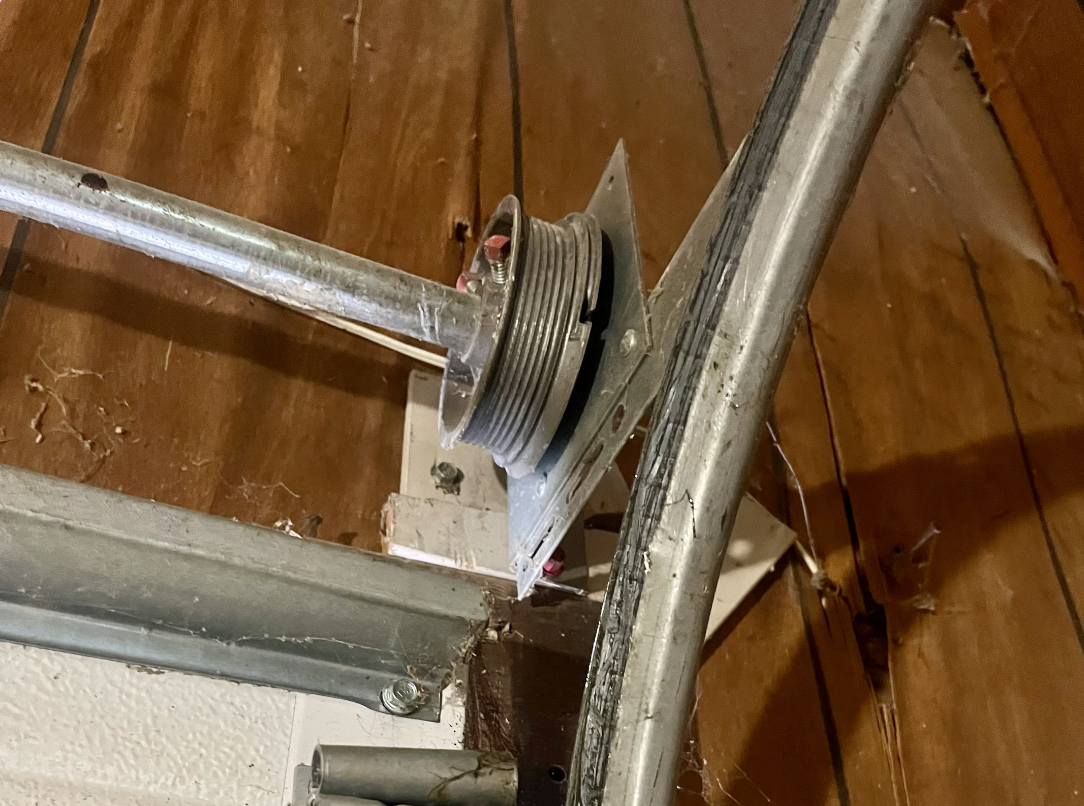
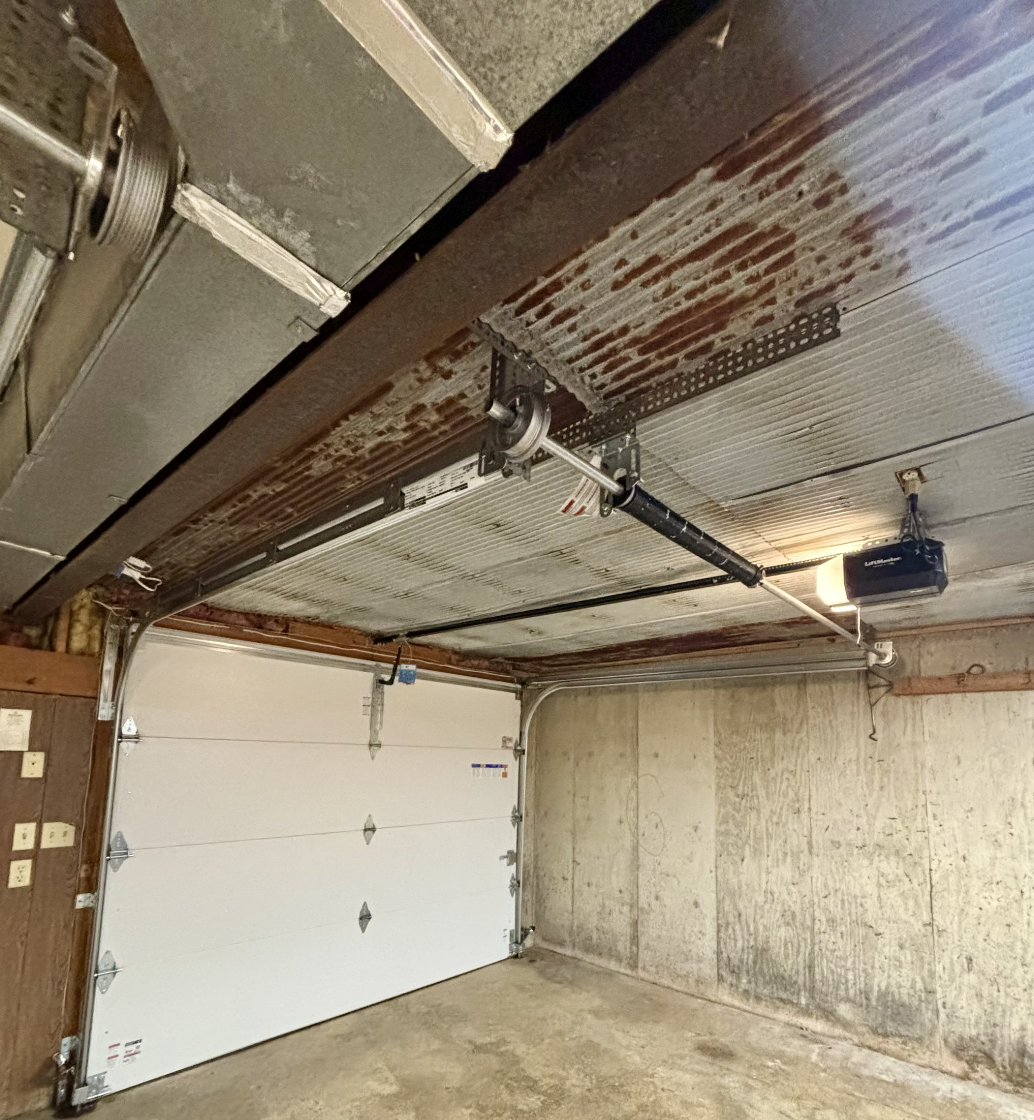
Torsion springs mount on a shaft above the door opening and carry the load by twisting. Extension springs stretch along the tracks on either side. Torsion is the more common setup on modern doors, it is more expensive, and it lasts longer and runs the door more smoothly. Extension springs cost less to replace but the systems are older and often need safety cables added if they do not have them.
One spring or two
Most doors have two torsion springs. When one breaks, the other one is the same age and has taken the same number of cycles, so it is not far behind. Replacing only the broken one saves money today and usually means a second service call within a year, at full price again including the trip.
Replacing the pair costs less than two separate visits. This is the single most common place we see homeowners talked into a false saving, and it is worth pushing back on if a company only quotes you one spring.
The cycle rating you choose
Springs are rated in cycles, meaning full open-and-close movements. A standard spring is commonly rated around ten thousand cycles. Higher-cycle springs, in the twenty to thirty thousand range, cost more up front and last correspondingly longer.
The math is worth doing. A household using the garage as its main entry runs the door four to six times a day. That is roughly two thousand cycles a year, so a standard spring is a five to seven year part in that house and a high-cycle spring is a fifteen year part. If you are already paying for the labor and the trip, the upgrade is often the better value.
Door size and weight
A double-wide door needs heavier springs than a single. An insulated door weighs more than an uninsulated one. Solid wood and carriage-style doors weigh more again. Heavier door, heavier spring, higher part cost.
When you call
Emergency, after-hours, weekend, and holiday service costs more than a scheduled weekday appointment, at any company that is honest about it. If your car is not trapped inside and the door is safely down, booking for the next business day usually saves you money.
What else is worn
A spring rarely fails in isolation. Cables fray, drums wear, bearings get noisy, and rollers flatten out over the same years the spring was cycling. A good technician will show you what else is worn and let you decide. A bad one either ignores it or insists everything needs replacing. Ask to be shown the part.
Why the quotes you get vary so much
Three reasons, and only one of them is legitimate.
The legitimate one is scope. A single standard spring on a light single door and a pair of high-cycle springs on a heavy insulated double door are genuinely different jobs with genuinely different prices.
The second is the one-spring quote. A company quoting one spring will always look cheaper than a company quoting the pair. Compare like for like.
The third is the bait quote, where a low phone price becomes a much larger number once the technician is standing in your garage. The defense against it is simple. Ask on the phone whether the quote covers parts, labor, and the trip charge, and whether it is for one spring or two. If the answer is vague, keep calling.
Why we do not recommend doing it yourself
We tell people they can change their own rollers, seals, and remote batteries. Springs are the exception, and it is not an upsell.
A wound torsion spring stores enough energy to break bones. Winding one requires proper winding bars, and the substitutes people reach for, screwdrivers being the classic, slip under load. On top of the safety issue, springs have to be matched to the door's weight, and a mismatched spring leaves the door either too heavy for the opener or dangerously light on the way down.
A DIY spring job saves you the labor and risks a serious injury in a garage where nobody else is around. Our torsion spring guide goes into how the system works if you want to understand it before somebody comes out.
Signs your spring is going
You usually get warning before a break:
The door feels heavy when you lift it by hand off the emergency release.
It slams down the last foot instead of settling.
You can see a gap in the coil, which is a spring that has already broken.
The door opens crooked, one side leading the other.
There is a loud bang from the garage with no obvious cause. That is often the spring letting go.
If you see any of these, a scheduled replacement now costs less than an emergency one after the first hard freeze, when spring failures cluster and everybody is calling at once.
Getting a straight number
We quote spring work on the specifics of your door rather than a menu price, and we will tell you if the second spring can honestly wait. For larger jobs where a full door replacement makes more sense than another repair, we also offer financing. If the door has already failed and you cannot get a vehicle out, we run emergency and same-day repair across Richmond, Muncie, and the surrounding Indiana and Ohio areas. For how we price repairs generally, our post on garage door service prices covers the rest of the work we do.
Call 765-377-1000 and you will get a real person and a real answer.
Frequently asked questions
How much does it cost to replace a garage door spring? It depends on your door's size and weight, whether it uses torsion or extension springs, how many springs it has, and the cycle rating you choose. Those four things move the price more than anything else. Call 765-377-1000 and we will quote your specific door rather than a generic one.
Should I replace both garage door springs at once? On a two-spring door, yes in almost every case. Both springs are the same age with the same cycle count, so the second usually fails soon after the first. Doing the pair in one visit costs less than two separate service calls.
How long do garage door springs last? A standard spring is rated around ten thousand cycles. A household that opens the door four to six times a day gets roughly five to seven years out of it. High-cycle springs rated for twenty to thirty thousand cycles last proportionally longer.
Can I replace a garage door spring myself? We strongly advise against it. A wound torsion spring stores enough energy to cause serious injury, the job requires proper winding bars, and the spring has to be matched to the door's weight. This is the one repair we tell homeowners to leave alone.
Why is my spring quote so different from another company's? Usually because one quote covers a single spring and the other covers the pair, or because the door sizes and spring ratings are different. Ask whether the price includes parts, labor, and the trip charge, and whether it is for one spring or two.
Do you replace garage door springs in Richmond and Muncie? Yes. We replace torsion and extension springs across Richmond, Muncie, and the surrounding Indiana and Ohio communities, with same-day service available on most repairs. Call 765-377-1000.